

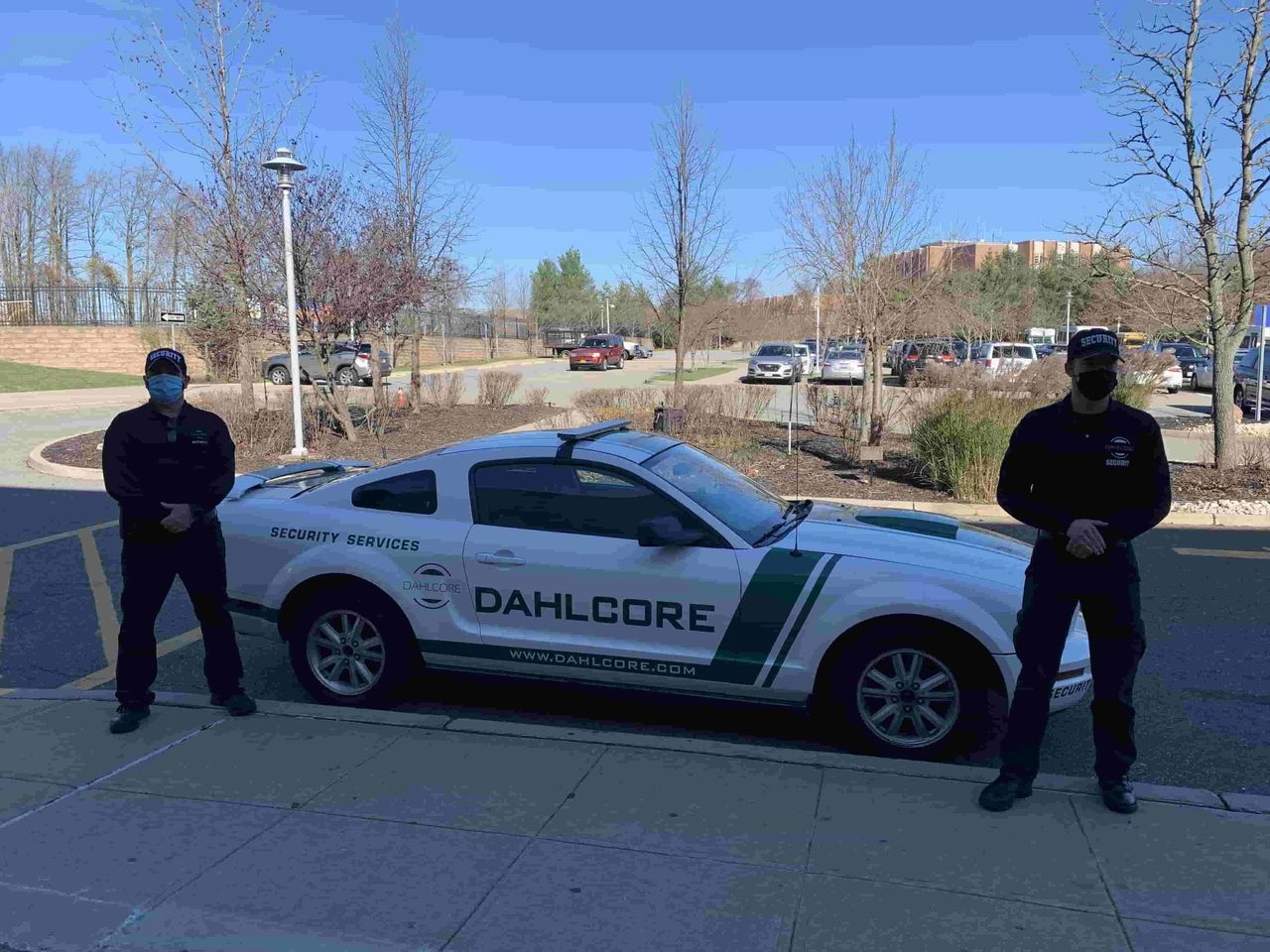
Security guards play a vital role in maintaining safety across various environments. From bustling shopping centers to high-stakes government facilities, their presence offers reassurance and protection. This article delves into the diverse locations where security guards work, highlighting their importance and responsibilities in each setting.
Security Guards: An Overview
Security guards are the unsung heroes of modern society. They safeguard property, enforce regulations, and respond to emergencies, ensuring order and security. Their roles often extend beyond physical protection, encompassing customer service, conflict resolution, and technological oversight.
What Industry Does Security Guard Fall Under?
The security guard profession falls under the broader security services industry, a critical component of the private security sector. This industry focuses on providing protective services to individuals, properties, businesses, and communities. Let’s break down the key areas related to this industry:
1. Private Security Sector
- The security guard profession is a subset of the private security sector, which encompasses a range of protective roles including patrol services, access control, and emergency response. Unlike public law enforcement, the private security industry is responsible for the safety of private individuals and businesses.
2. Facility and Asset Protection
- Security guards are integral to the facility and asset protection industry. Their core role involves safeguarding premises against theft, vandalism, and unauthorized access. This category includes:
- Corporate Offices: Monitoring corporate properties to protect employees and assets.
- Construction Sites: Preventing equipment theft and unauthorized entry.
- Residential Buildings: Offering security to private residences and gated communities.
3. Event and Entertainment Security
- Security services also encompass event and entertainment security, where guards manage crowd control, verify guest access, and mitigate risks at concerts, conferences, and sports events.
4. Public Safety and Emergency Services
- In collaboration with emergency services, security guards contribute to public safety, assisting in maintaining order during emergencies and supporting first responders.
5. Risk Management and Loss Prevention
- The security guard role often overlaps with risk management and loss prevention in industries such as retail, manufacturing, and hospitality. This includes:
- Retail Stores: Guards deter shoplifting and address potential safety risks.
- Hospitals: Ensuring a safe environment for staff, patients, and visitors.
6. Compliance and Regulatory Requirements
- The industry is also defined by stringent regulations and compliance standards, as security guards are often required to obtain licenses and certifications. Compliance ensures that all security personnel meet industry-specific standards for professionalism and capability.
The security guard industry plays a vital role in maintaining order, minimizing risks, and ensuring a safe environment across different sectors. Whether it’s commercial, residential, retail, or event-specific, security guards are the backbone of the broader security infrastructure.
Commercial Establishments
Offices and Business Centers
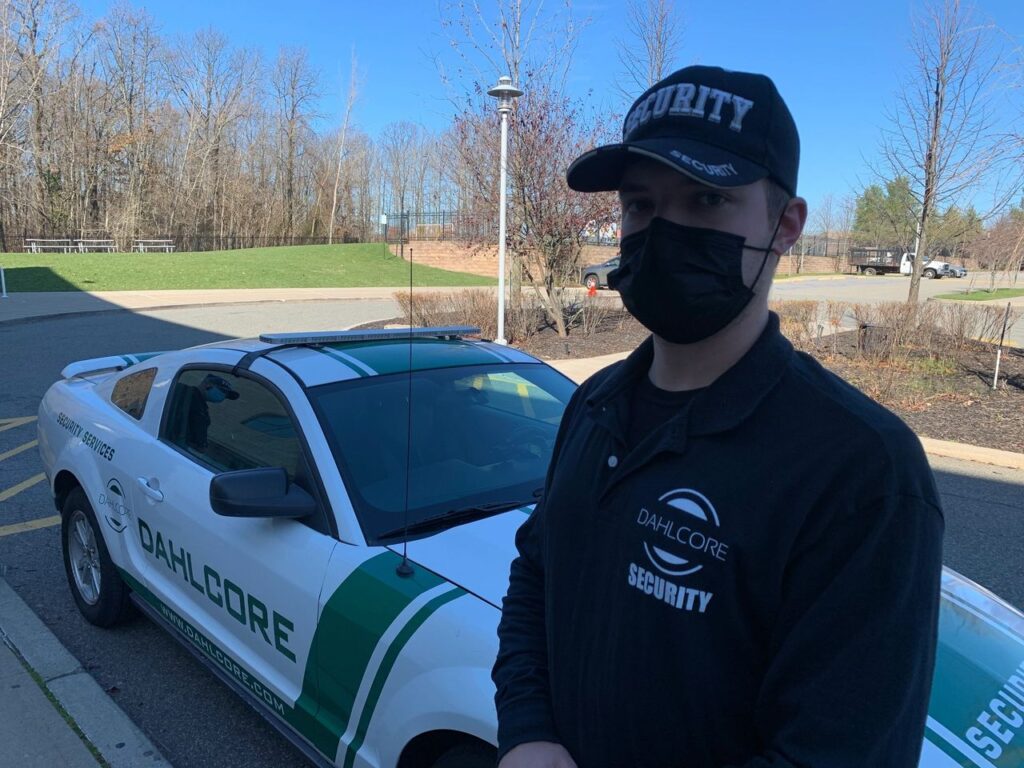
Office buildings rely heavily on security guards to monitor access, prevent theft, and maintain a secure atmosphere, ensuring both employees and visitors feel safe. These guards play a vital role by checking IDs, managing visitor logs, patrolling parking lots, and swiftly responding to any signs of unusual or suspicious activities to maintain order and security.
Shopping Malls and Retail Stores
Retail environments are hotspots for theft, vandalism, and other disruptive activities, making the role of security personnel crucial. They not only handle shoplifters and assist with crowd control during busy sales but also act as a visible deterrent to potential offenders, maintaining a safe and welcoming atmosphere for customers and staff.
Residential Complexes
Gated Communities and Apartment Buildings
Residential security guards ensure the safety of residents and their properties by maintaining a secure environment. Their responsibilities include monitoring surveillance systems, managing access points, conducting regular patrols to detect potential threats, and responding promptly to emergencies or security breaches to safeguard the community.
Private Estates and Residential Neighborhoods
Wealthy individuals and gated communities often employ security guards to ensure round-the-clock safety and peace of mind. These highly trained professionals deter intrusions, respond to emergencies, monitor surveillance systems and alarms, conduct regular patrols, and may even take on additional responsibilities such as managing visitor access and handling mail deliveries.
Government Facilities
Courthouses and Administrative Offices
Government buildings demand heightened security to protect sensitive information, prevent unauthorized access, and ensure the safety of officials and the public. Security guards play a critical role by screening visitors, monitoring public areas, enforcing access control to restricted zones, and maintaining order during official proceedings such as hearings.
Military Bases and Restricted Areas
Military installations rely on highly trained security personnel to enforce strict access controls, monitor sensitive areas, and quickly respond to any threats. These personnel undergo specialized training in advanced surveillance methods, crisis management, and tactical operations to ensure the safety and security of the facility and its operations.
Educational Institutions
Schools and Universities
Security guards in schools play a crucial role in maintaining a secure environment by conducting regular patrols, checking security systems, and ensuring that only authorized individuals enter the premises. In addition to responding to emergencies, they are trained to recognize potential threats and work alongside school staff to implement safety protocols and prevent incidents.
Libraries and Research Centers
Security guards play a crucial role in safeguarding rare and sensitive materials and preventing theft, vandalism, and unauthorized access to restricted areas. Their presence also fosters a secure and peaceful atmosphere, allowing students, researchers, and staff to focus on their work without distractions or concerns.

Healthcare Facilities
Hospitals and Clinics
Healthcare security guards are essential for maintaining a safe and secure environment within medical facilities. In addition to managing potential threats and enforcing access control, they are trained to respond swiftly during emergencies, ensuring that both patients and staff remain protected at all times.
Mental Health and Rehabilitation Centers
In facilities treating vulnerable populations, security guards play a crucial role in maintaining safety by managing potential disruptions and de-escalating tense situations. Their presence helps protect both patients and staff, ensuring that the therapeutic environment remains conducive to healing and care.
Industrial Sites
Factories and Warehouses
Guards at industrial sites not only monitor goods and secure entrances but also perform regular patrols to ensure all areas remain safe and free from unauthorized access. Their vigilance is critical in preventing accidents, theft, and potential safety hazards, ensuring a secure work environment for employees.
Construction Zones
Construction sites frequently house expensive machinery and materials, making them prime targets for theft, vandalism, or unauthorized access. Security guards play a critical role in safeguarding these assets, monitoring the premises, and ensuring compliance with safety protocols to minimize potential risks and hazards.
Entertainment Venues
Theaters and Concert Halls
Event security guards are responsible for maintaining order by monitoring crowd behavior, ensuring attendees follow rules, and preventing unauthorized access to restricted areas. In addition, they are trained to handle emergencies such as medical incidents, and evacuations, and ensure the overall safety of the event.
Sports Stadiums and Arenas
Large venues necessitate the deployment of well-trained security teams to efficiently manage ticketing lines, screen for prohibited items, and enforce safety protocols. These teams play a crucial role in maintaining order, preventing potential threats, and ensuring a secure environment for fans and attendees during high-attendance events such as games and concerts.
Public Spaces
Parks and Recreational Areas
Guards in public parks play a critical role in maintaining a safe and welcoming environment by deterring vandalism and ensuring adherence to park regulations. They are also trained to respond swiftly in emergencies, such as locating missing persons or providing immediate assistance in accidents.
Airports and Transportation Hubs
Security personnel at airports and train stations are responsible for conducting thorough passenger screenings, including the use of metal detectors, body scanners, and bag checks to detect prohibited items. Additionally, they monitor the premises for suspicious activity, ensure compliance with safety regulations, and assist in managing emergencies if necessary.
Critical Infrastructure
Power Plants and Water Treatment Facilities
Guards at critical infrastructure sites play a crucial role in preventing sabotage by maintaining vigilant surveillance and reporting suspicious activities. Additionally, they enforce safety protocols, ensuring that systems operate smoothly and that potential threats to the services are swiftly addressed to minimize disruptions.
Data Centers and IT Infrastructure
As cyber threats become increasingly sophisticated, data centers rely on guards to ensure physical security by monitoring access points and preventing unauthorized entry. Additionally, these security professionals support cybersecurity measures by providing on-site assistance during cyber incidents and responding quickly to emergencies such as fires, equipment malfunctions, or security breaches.
Events and Crowd Control
Festivals and Exhibitions
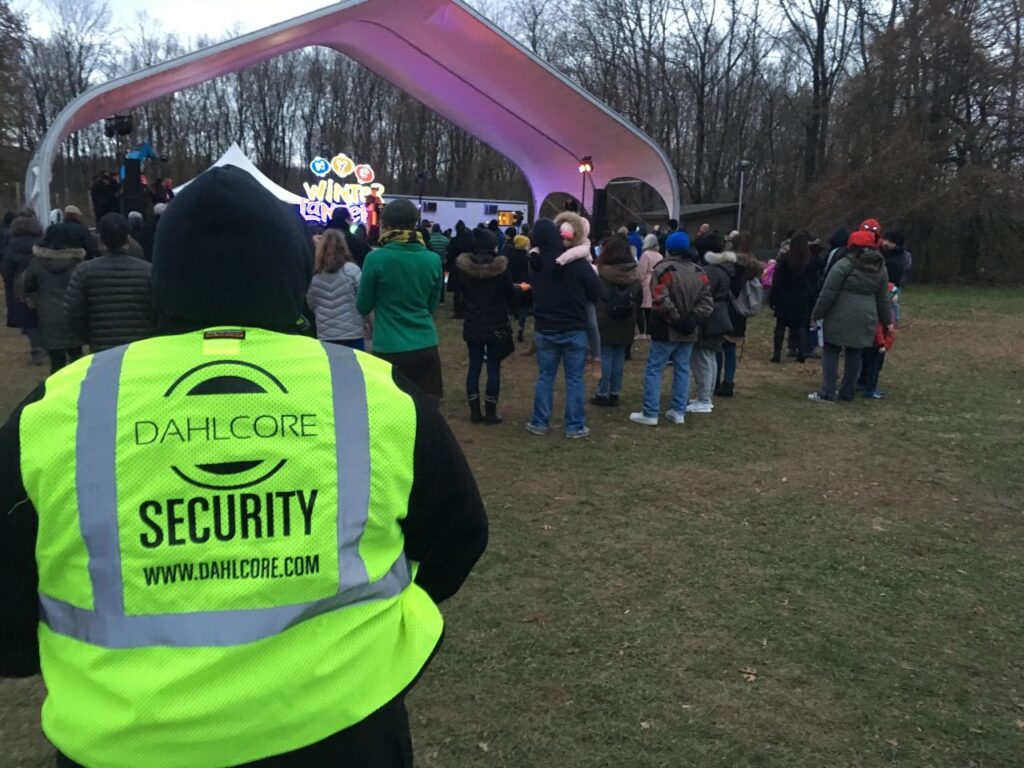
Event security teams are trained to handle crowd control, ensuring the safety of both guests and staff by preventing disruptions or dangerous behavior. They also monitor for potential security threats, assist with emergency evacuations if necessary, and maintain communication with local law enforcement and medical teams for swift responses in case of incidents.
Political Rallies and Protests
In these high-pressure environments, security guards must be vigilant and proactive, ensuring the safety and smooth operation of the event. Their responsibilities include managing crowd behavior, preventing unauthorized access, and being ready to handle emergencies with quick, decisive action.
Private Security Contracts
VIP and Celebrity Protection
High-profile individuals, such as celebrities, politicians, and business leaders, commonly employ personal security guards to mitigate risks associated with their public visibility. These guards are trained to handle a variety of situations, ensuring protection from stalkers, aggressive fans, and potential security breaches.
Personal Escorts and Bodyguard Services
Private security contracts often involve providing personal protection by escorting individuals through dangerous or high-risk areas, ensuring their safety in volatile environments. These security professionals are trained to assess and mitigate potential threats, offering peace of mind during potentially hazardous situations.
Challenges in Security Work
Physical and Mental Demands
Security guards often work long shifts, which can lead to physical exhaustion due to the demands of standing, walking, or patrolling for extended periods. Additionally, the psychological strain of maintaining constant vigilance can be taxing, as they are responsible for detecting and preventing potential threats while remaining alert to their surroundings.
Managing Risks and Emergencies
Security guards must possess the skills to respond swiftly and effectively to a wide range of emergencies, from fires and medical crises to security threats and natural disasters. Their ability to stay calm under pressure and execute well-rehearsed protocols is crucial to ensuring the safety and well-being of those they protect.
How Technology Enhances Security
Use of Surveillance Systems
Modern security guards utilize advanced technology such as CCTV cameras, motion detectors, and alarm systems to monitor premises more effectively and provide real-time surveillance. This integration of technology not only increases their coverage but also improves response times, ensuring a higher level of security and safety.
Integration of AI and Drones
AI-driven tools and drones are enhancing security operations by providing real-time monitoring and data analysis, significantly improving threat detection and response times. These technologies enable more efficient and proactive security measures, reducing risks and ensuring safer environments.
FAQs
Where do security guards work the most?
Security guards are most commonly employed in commercial buildings, retail stores, and residential complexes. They also work in industries like transportation, healthcare, and events.
What skills are essential for security guards?
Essential skills for security guards include strong observation, attention to detail, and effective communication. They must also have problem-solving abilities, physical fitness, and knowledge of safety protocols.
How do security guards protect public spaces?
Security guards protect public spaces by monitoring surveillance systems, patrolling areas, and responding to potential threats. They enforce rules, assist in emergencies, and ensure the safety of people and property.
Are security guards armed?
Security guards can be either armed or unarmed, depending on the employer’s requirements and the security situation. Armed guards are typically trained to carry firearms, while unarmed guards rely on other forms of protection and deterrence.
Do security guards work in teams?
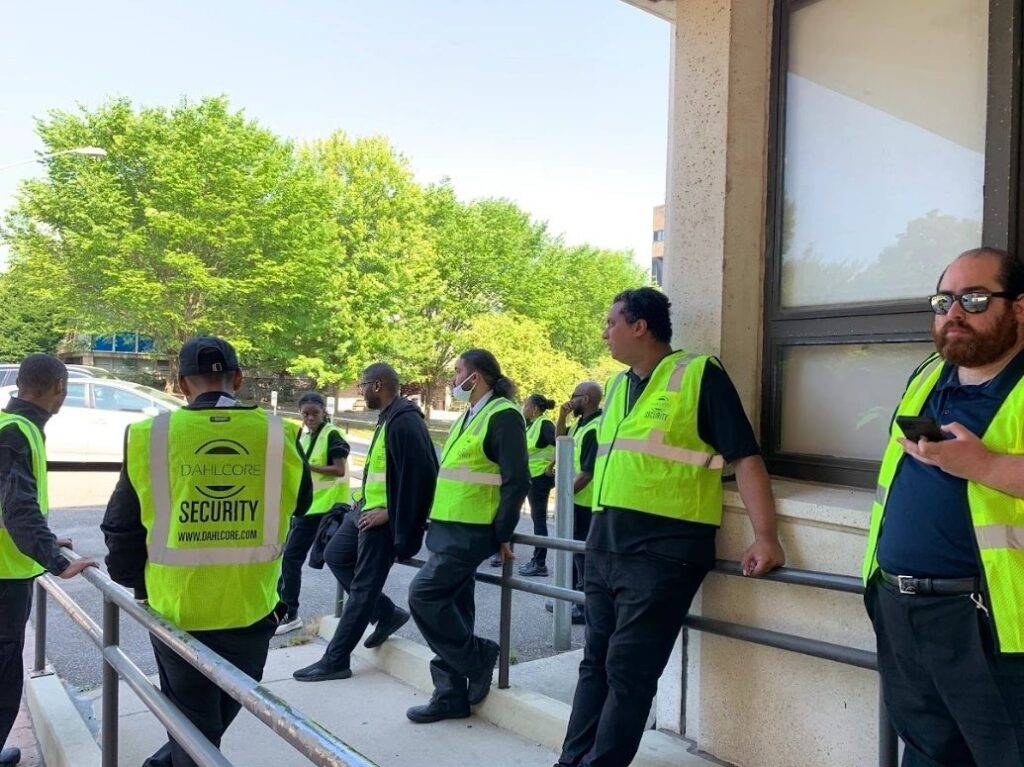
Yes, security guards often work in teams, especially in larger facilities or events, to ensure thorough coverage. Teamwork allows for better communication, support, and coordination in responding to incidents.
What qualifications are needed to become a security guard?
Requirements vary but typically include a high school diploma, security training, and licensing or certification.
Conclusion
Security guards play a critical role in maintaining security in diverse environments, ranging from commercial buildings and residential complexes to public events and sensitive government installations. Their training and quick response to potential threats, combined with modern surveillance tools, allow them to effectively deter criminal activities and provide real-time protection. In addition to their vigilance, security guards often serve as a reassuring presence, enhancing the overall safety culture and fostering a sense of security for individuals in their care.
Check other blogs
What is Loss Prevention Allowed to Do?
Security Guard vs Police Officer: Unveiling the Distinctions
How to Get a Security License in NYC: Steps to Unlock Your Career
