

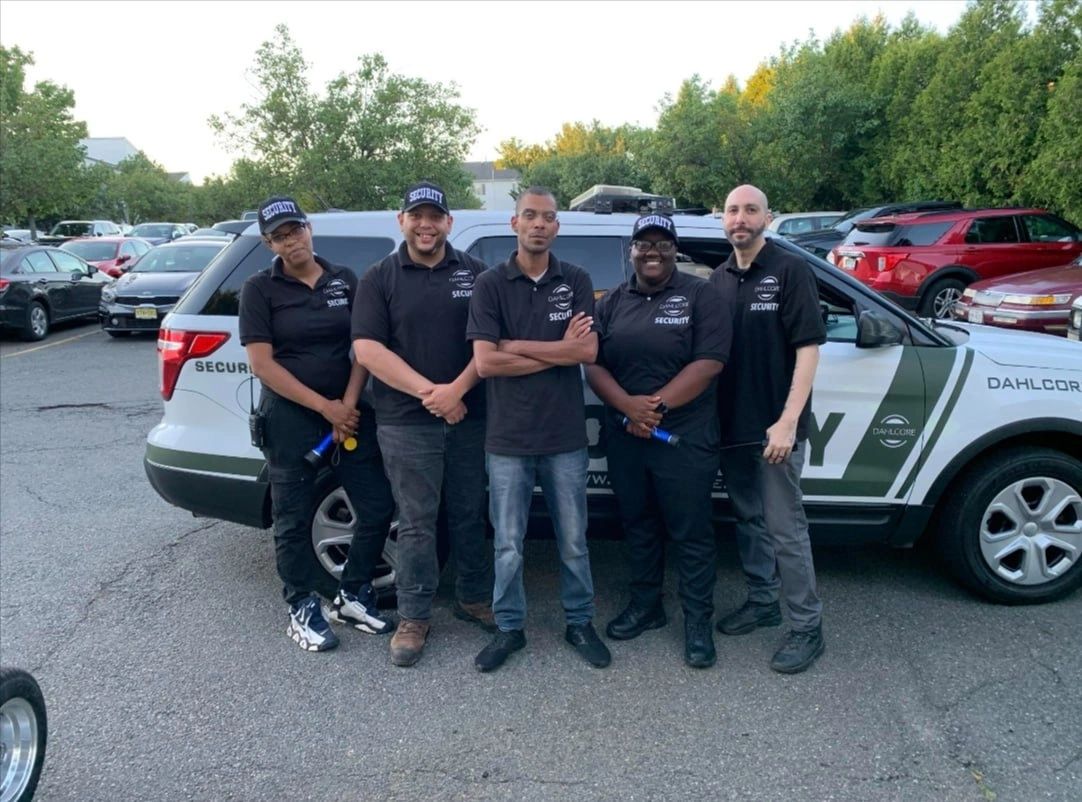
The security industry plays a crucial role in maintaining safety and order across various sectors. From corporate offices to private residences, security professionals provide an essential service that protects people and property. However, understanding the different roles within this industry can be confusing for many. Two commonly misunderstood roles are security guard and security agent. In this article, we will explore the key differences between these two roles, helping you determine which is the right fit for your needs or career aspirations.
Defining a Security Guard
A security guard is generally responsible for maintaining a visible presence at a site to deter illegal activities and respond to emergencies.
General Definition of a Security Guard
A security guard is typically employed to patrol premises and monitor activity, either in person or through surveillance systems. They are responsible for preventing unauthorized access, deterring criminal behavior, and ensuring the safety of people and property within their assigned areas. Additionally, security guards may respond to emergencies, report incidents, and collaborate with law enforcement when necessary, playing a crucial role in maintaining a secure environment.
Common Duties and Responsibilities of a Security Guard
Security guards play a crucial role in managing access control by monitoring entry and exit points, ensuring that only authorized personnel gain access to restricted areas. They also verify identification through various methods, such as ID checks and security screenings, to maintain a secure environment and prevent unauthorized entry. Additionally, security guards are trained to ensure compliance with safety regulations and protocols, responding effectively to basic emergencies to protect people and property.
Required Qualifications and Certifications for Security Guards
To become a security guard, individuals must undergo specific training that covers essential topics such as first aid, fire safety, and conflict de-escalation techniques. This training is crucial for equipping security personnel with the skills needed to respond effectively to emergencies and manage potentially volatile situations. Additionally, many jurisdictions require security guards to complete licensing courses that ensure they understand legal responsibilities and ethical conduct in their role.
Defining a Security Agent
While a security agent shares some responsibilities with a security guard, their role is generally more specialized and requires additional training.
General Definition of a Security Agent
A security agent often undertakes a variety of complex tasks that go beyond standard security measures, including executive protection, which involves safeguarding high-profile individuals from potential threats. Additionally, they may engage in private investigations, utilizing their expertise to gather intelligence and provide insights into various situations or individuals. Furthermore, security agents frequently collaborate with government entities, enhancing public safety efforts and ensuring compliance with legal regulations in security practices.
Typical Duties and Responsibilities of a Security Agent
In addition to guarding, security agents play a crucial role in conducting thorough threat assessments to identify potential risks and vulnerabilities within a given environment. They are also tasked with planning secure transportation routes and ensuring the safe movement of individuals and sensitive materials while mitigating risks associated with travel. Furthermore, some security professionals may handle classified information, requiring them to adhere to strict protocols and confidentiality standards to protect sensitive data from unauthorized access.
Required Qualifications and Certifications for Security Agents
Security agents are typically required to undergo advanced certifications and extensive training to ensure they are well-equipped to handle various situations. This training often includes specialized courses in firearms handling, surveillance techniques, and personal protection tactics, enabling them to respond effectively to threats. Additionally, ongoing education and training are essential for security agents to stay current with the latest industry standards and best practices.
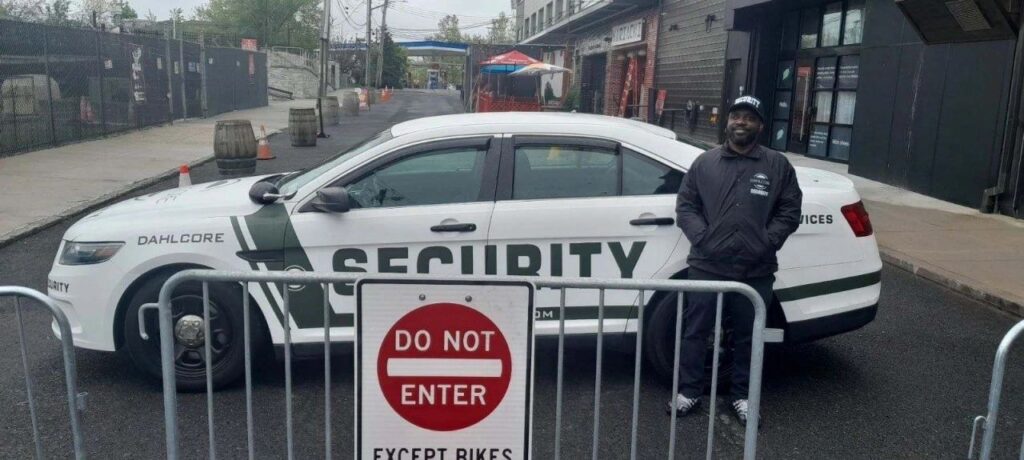
Key Differences Between Security Guards and Security Agents
Training and Expertise Differences
While security guards typically receive foundational training in safety protocols and emergency response, security agents pursue more advanced and specialized education tailored to specific threats and environments. This advanced training often includes in-depth instruction on topics like anti-terrorism measures, corporate espionage tactics, and cybersecurity strategies, equipping agents with the skills to address complex security challenges. As a result, security agents are better prepared to navigate high-stakes situations and implement adequate security measures tailored to their unique operational contexts.
Type of Clients and Environments They Work In
Security agents usually provide personalized protection and security solutions tailored to high-profile clients, such as celebrities, corporate executives, and political figures, where discretion and specialized skills are paramount. These professionals often engage in advanced planning and risk assessment, ensuring their clients are safe from potential threats in various environments. In contrast, security guards primarily focus on monitoring and securing public or commercial spaces, maintaining safety protocols, and responding to incidents within their designated areas.
Equipment and Tools Used in the Field
Security agents often have access to more sophisticated technology and equipment, such as advanced communication devices that enhance coordination during critical incidents. In addition to these tools, they may be trained in the use of defensive weapons, allowing them to respond effectively to a broader range of security threats. This distinction in equipment and training underscores the different roles and responsibilities that security agents and guards typically fulfill within their respective organizations.
Employment Settings for Security Guards
Security guards are commonly employed in various sectors, providing essential security services in different environments.
Corporate Offices
In corporate settings, security guards play a crucial role in maintaining safety and order by controlling access points to ensure that only authorized personnel enter restricted areas. They actively monitor the premises through regular patrols and surveillance, watching for any suspicious behavior or potential security breaches. Additionally, their presence serves as a deterrent to criminal activity, fostering a secure environment for employees and visitors alike.
Retail Stores
In retail, security guards play a crucial role in loss prevention by monitoring the store for suspicious behavior and intervening when necessary. They are trained to handle potential shoplifting incidents effectively, employing techniques to deter theft while ensuring a safe shopping environment for customers. Additionally, security guards collaborate with store management to develop strategies that minimize losses and enhance overall security measures.
Residential Buildings
Guards stationed at residential properties play a crucial role in preventing unauthorized entry, acting as the first line of defense against potential intruders. They monitor access points, conduct regular patrols, and respond swiftly to any suspicious activities, thereby fostering a secure environment for residents. Their presence not only deters crime but also instills a sense of safety and peace of mind for those living in the community.
Public Events
Security guards are essential for ensuring safety and order during large public gatherings. They are trained to monitor crowds and identify potential threats. Their presence helps deter disruptive behavior, allowing events to proceed smoothly while minimizing the risk of conflicts. By effectively managing crowd dynamics and swiftly addressing issues that arise, security guards contribute significantly to a safe environment for attendees.
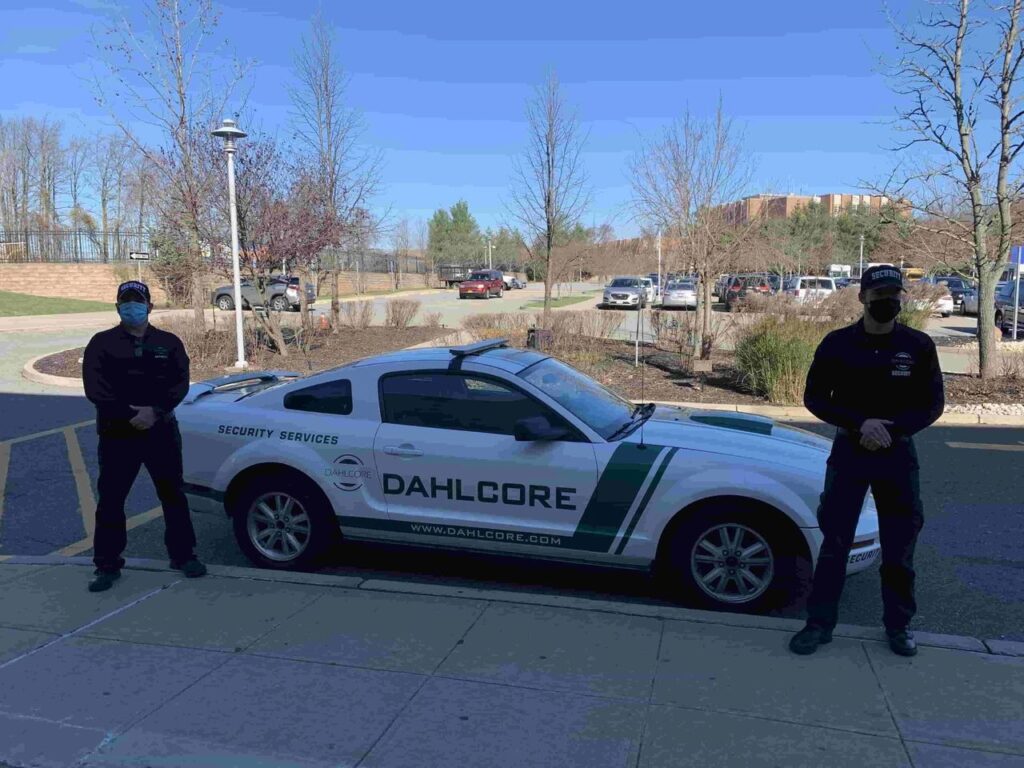
Employment Settings for Security Agents
Due to their specialized training, security agents often work in more sensitive or high-risk environments.
Private Investigations
Security agents play a vital role in private investigations by utilizing their expertise in surveillance, information gathering, and risk assessment. They may collaborate with private investigators or attorneys to collect evidence, interview witnesses, and document findings that can be crucial in legal proceedings. Their ability to navigate complex situations and maintain discretion ensures that the information they gather is reliable and admissible in court.
Executive Protection
Security agents are often tasked with safeguarding high-profile individuals, including celebrities, politicians, and business executives, in a wide range of environments. Their responsibilities encompass assessing potential threats, coordinating with local law enforcement, and developing comprehensive security plans tailored to each client’s needs. By maintaining a visible presence and implementing proactive measures, security agents play a crucial role in mitigating risks and providing peace of mind to those they protect.
High-Profile Events
Security agents play a crucial role in ensuring the safety of high-profile events, such as concerts, corporate gatherings, and political functions, where the presence of celebrities or dignitaries can elevate security risks. They employ advanced surveillance techniques, access control measures, and crowd management strategies to mitigate potential threats and respond effectively to emergencies. By maintaining a visible presence and fostering a secure environment, security agents help ensure that attendees can enjoy the event without fear for their safety.
Government and Law Enforcement Agencies
Some security agents collaborate closely with law enforcement agencies, leveraging their specialized skills and knowledge to enhance public safety. By sharing information and resources, they play a vital role in addressing criminal activities and preventing potential threats. This partnership not only strengthens community trust but also fosters a more comprehensive approach to national security efforts.
Security Guard vs. Security Agent: Salary Comparison
Salaries are often an important factor when considering a career in security. Both security guards and security agents can earn competitive wages, but their pay scales differ significantly due to the varying levels of expertise, responsibilities, and risk involved in each role.
Average Salary Range for Security Guards
The salary of a security guard depends on factors like the level of risk involved, location, and the specific industry. On average, security guards earn between $25,000 and $40,000 annually. Entry-level positions tend to pay on the lower end of this range, while more experienced guards working in high-risk environments may command higher wages.
Average Salary Range for Security Agents
Due to the specialized nature of their work, security agents typically earn significantly more. Salaries can range from $45,000 to over $100,000 per year, depending on the level of experience and the specific services they provide. For instance, security agents working in executive protection or with government agencies often command the highest salaries.
Factors Influencing Salary Differences
Several factors contribute to the salary disparity between security guards and security agents. These include the level of training required, the complexity of the work, and the clients they serve. High-risk environments or clients requiring discreet protection often lead to higher wages for security agents.
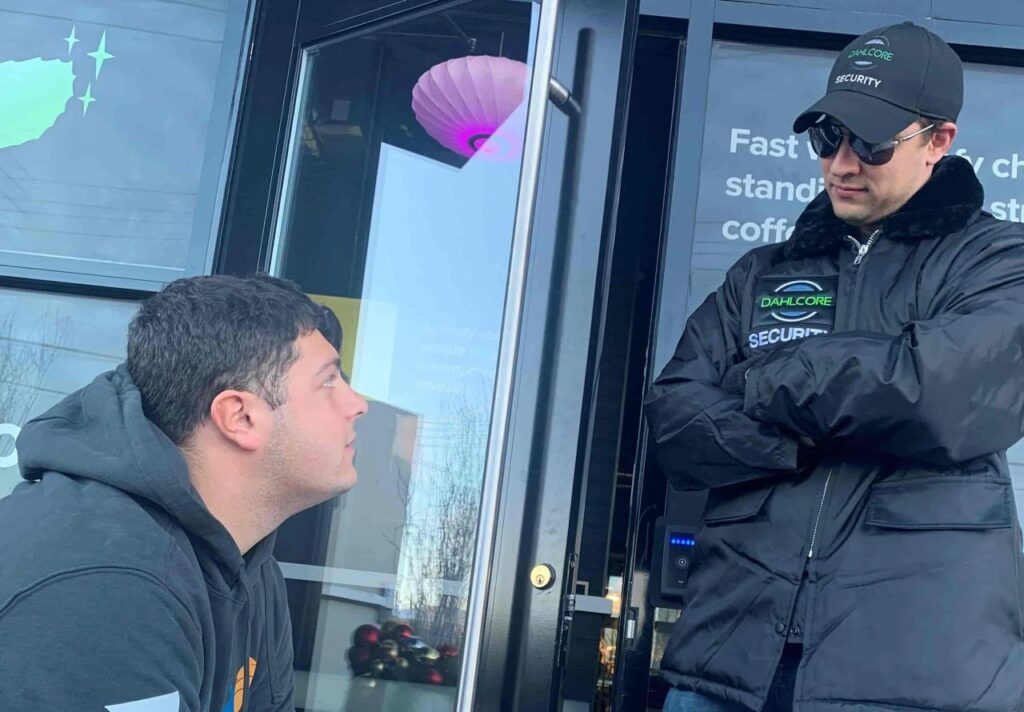
Legal Responsibilities and Limitations
Both security guards and security agents have legal responsibilities they must adhere to, but their legal authority differs.
Legal Authority of Security Guards
Security guards generally have limited legal authority. They can perform citizen’s arrests in certain situations, detain individuals until law enforcement arrives, and enforce the rules of the property they are guarding. However, they must comply with local laws and cannot use excessive force or overstep their legal boundaries.
Legal Authority of Security Agents
Security agents, on the other hand, may have broader authority depending on their role. Those working in conjunction with law enforcement or government agencies might have additional powers, such as the ability to carry firearms or conduct surveillance. However, even security agents must operate within the law and be mindful of legal limitations in their jurisdiction.
Understanding Jurisdiction and Limitations
Both roles require a clear understanding of their legal jurisdictions. For instance, while a security agent might be authorized to carry a firearm in one state, they may not have the same authority in another. Similarly, security guards must understand when they can intervene in a situation and when it’s appropriate to contact law enforcement.
Training and Certification Requirements
Training and certification are crucial in the security industry to ensure professionals are equipped to handle their responsibilities.
Security Guard Training Programs
Security guard training programs are typically shorter and cover basic skills such as patrolling, handling emergencies, and customer service. Depending on the country or state, they may also require first aid certification and basic knowledge of local laws regarding security and detainment.
Security Agent Specialized Training
Security agents, in contrast, undergo more rigorous training. This often includes advanced courses in firearms handling, defensive tactics, anti-terrorism, surveillance, and personal protection. Some may even receive training in fields like cybersecurity or intelligence gathering, depending on their line of work.
Ongoing Professional Development for Both Roles
Ongoing training is essential for both security guards and agents. The security landscape is constantly evolving, and professionals need to stay updated on the latest techniques and technologies. Regular refresher courses and certifications ensure that both guards and agents maintain a high standard of competence.
Level of Risk and Threat Management
The level of risk and threat management is another area where security guards and security agents differ significantly.
Risk Levels Handled by Security Guards
Security guards typically deal with low- to moderate-risk scenarios, such as monitoring retail stores for shoplifters or managing access to a corporate office. While they may face occasional threats, such as dealing with trespassers, the risks are generally manageable with the proper training and protocols.
Threat Management Protocols for Security Agents
Security agents, on the other hand, are trained to handle high-risk scenarios, such as protecting high-profile individuals from potential threats or managing security at large-scale events. Their job often involves anticipating risks, conducting thorough threat assessments, and developing detailed response plans. They may also need to respond quickly and decisively to life-threatening situations, such as an armed attack or kidnapping attempt.
Professional Growth and Career Path
Both security guards and security agents have opportunities for career advancement, though the paths may differ based on their initial role and level of expertise.
Career Advancements for Security Guards
Security guards can advance by taking on higher-level positions, such as supervisors or chiefs of security. With additional training, some security guards move into more specialized roles, such as loss prevention specialists or working in high-risk environments like airports or government buildings.
Career Paths for Security Agents
Security agents, on the other hand, often have more diverse career options. Many transition into specialized fields such as private investigation, executive protection, or even cybersecurity. Some security agents may also move into law enforcement or work for government intelligence agencies, leveraging their advanced skills and training.
Transitioning from Security Guard to Security Agent
A security guard can transition into a security agent role, but it requires significant investment in additional training and certification. This often includes specialized courses in personal protection, risk assessment, and possibly firearms handling, depending on the nature of the work.
Technology and Equipment Used in the Job
The tools and technologies used in security work can vary significantly between security guards and security agents, reflecting the different levels of risk and responsibility they handle.
Security Guard Tools and Technologies
Security guards typically use essential tools such as radios, CCTV systems, metal detectors, and access control systems. Their job focuses more on monitoring and reporting, requiring tools that help them observe and manage a site.
Security Agent Tools and Technologies
Security agents, by contrast, often have access to more advanced technologies, such as GPS tracking devices, encrypted communication systems, and firearms. They may also use specialized software for threat analysis and security planning, helping them manage more complex security needs.
Choosing Between Hiring a Security Guard or Security Agent
It’s important to assess your specific security needs before deciding whether to hire a security guard or an agent.
Factors to Consider When Hiring a Security Guard
If you need someone to monitor a building, handle access control, or provide a visible deterrent to potential criminals, a security guard is likely the best choice. Security guards are ideal for low- to medium-risk environments like retail stores, residential buildings, and public events.
Factors to Consider When Hiring a Security Agent
If you’re dealing with sensitive or high-risk situations—such as protecting a VIP, managing security for a high-profile event, or conducting a private investigation—you may want to hire a security agent. Their specialized training and ability to handle complex security challenges make them more suitable for these scenarios.
Case Studies on Client Needs
For example, a retail store experiencing frequent thefts might hire a security guard to monitor the premises and deter shoplifters. In contrast, a CEO traveling abroad might need a security agent to ensure their safety, assess threats, and manage their protection.

Industry Trends and Future Outlook
The security industry is constantly evolving, with new challenges and technologies shaping the future of both security guards and security agents.
Emerging Trends in Security Guard Services
In recent years, the use of AI and automated surveillance systems has become more prevalent in the security guard industry. This technology helps guards monitor larger areas more efficiently and respond quickly to potential issues.
Emerging Trends in Security Agent Services
As more security threats occur online, cybersecurity and threat intelligence are becoming increasingly important for security agents. Many security agents now receive training in both physical and digital security, enabling them to provide comprehensive protection services.
Technological Advancements Affecting Both Roles
Advances in technology, such as drones, biometric security systems, and real-time threat analysis software, benefit both security guards and agents. These tools enhance their ability to protect individuals and property effectively.
Frequently Asked Questions
What are the primary duties of a security guard?
Security guards are responsible for monitoring premises, controlling access, and ensuring the safety of the property and individuals within.
What qualifications do I need to become a security agent?
Becoming a security agent requires advanced training in areas such as personal protection, threat assessment, and firearms handling.
Can a security guard carry a firearm?
In some regions, security guards may be permitted to carry firearms, but this usually requires additional certification and is subject to local laws.
Conclusion
Although the roles of security guards and security agents may seem similar at first glance, they are distinctly different in terms of training, responsibilities, and the types of clients they serve. Security guards are typically employed in low—to medium-risk environments, focusing on deterring crime and maintaining order. In contrast, security agents are trained to handle high-risk scenarios, provide personal protection, and often work with high-profile clients or government agencies.
Understanding the difference between these two roles can help individuals make informed decisions, whether they are seeking security services or exploring a career in the security field. By choosing the right professional for the job, you can ensure that your security needs are met efficiently and effectively.
Explore our other blog posts here
Security Guard Services: Key to Mitigating Construction Risks
Preventing and Managing Theft in Hotel Settings
