

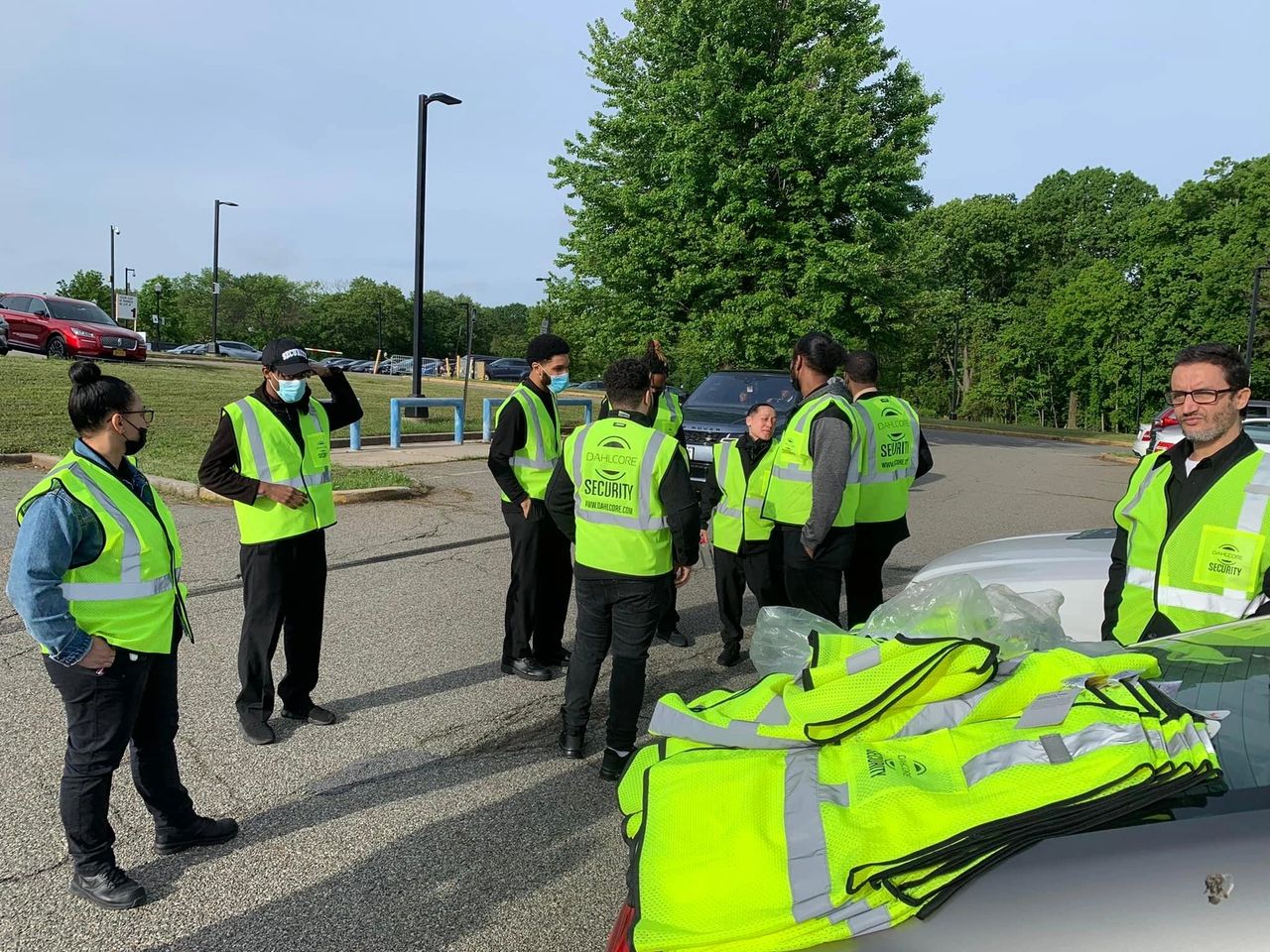
Emergencies, whether natural or man-made, demand quick and organized responses. At the heart of any effective response is the emergency chain of command. This hierarchical structure ensures tasks are delegated efficiently, decisions are made promptly, and resources are allocated where they’re needed most. But who exactly leads this critical chain of command, and what does their role entail? Understanding this responsibility is key to ensuring preparedness and resilience in times of crisis.
Understanding the Emergency Chain of Command
What is an Emergency Chain of Command?
The emergency chain of command establishes a clear hierarchy, detailing who is responsible for decision-making, communication, and coordination during a crisis. This system is designed to ensure a swift, organized response by clearly identifying key personnel and the channels for escalating issues or requests for support.
Key Elements of an Emergency Chain of Command
- Leadership: A clear leader is designated for oversight.
- Coordination: Communication channels are established.
- Adaptability: The chain evolves based on the nature of the emergency.
This system ensures the smooth functioning of all involved, from first responders to federal agencies.
Roles and Responsibilities
General Structure of Leadership
Leadership in emergencies follows a clear, hierarchical structure, where decisions and directives are issued from the highest authorities, such as federal or state agencies. This ensures a coordinated response, with each level of authority passing down specific tasks to local responders, minimizing confusion and ensuring effective execution of emergency plans.
Coordination and Delegation of Duties
Leaders must assign clear and specific tasks to team members, matching individual strengths to the needs of the project for optimal performance. In addition, they facilitate communication and collaboration across various agencies, ensuring alignment and that all resources—time, people, and materials—are maximized for the achievement of common goals.
Primary Leaders in Emergency Situations
First Responders and Their Role
Police, firefighters, and emergency medical services are the first responders, playing a crucial role in managing emergencies by ensuring immediate safety and stabilizing the situation. They work together to assess potential risks, provide life-saving care, and relay vital information to senior officers or relevant agencies for coordinated action.
Role of Local Government Officials
Mayors and city officials collaborate closely with emergency managers to assess the scope of disasters, allocate resources efficiently, and maintain communication with residents. Together, they implement strategies for rapid response, ensure essential services continue, and support long-term recovery efforts in the aftermath of crises.
The Role of Incident Commanders
Who is the Incident Commander?
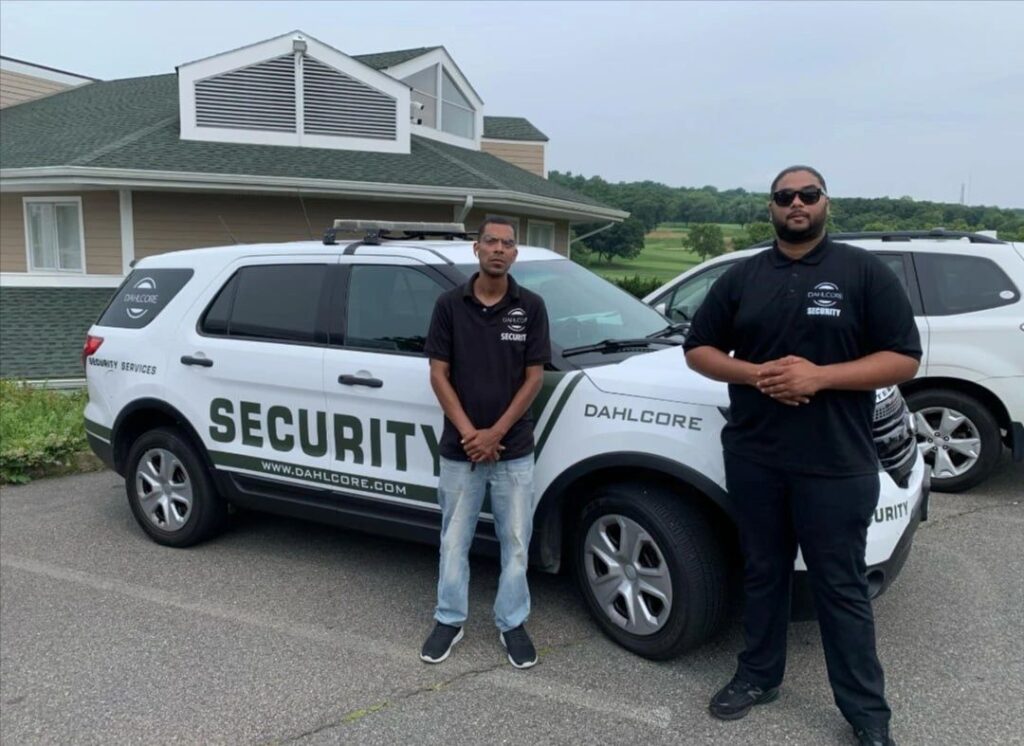
The Incident Commander (IC) is typically the person with the highest level of authority at the incident site. They lead all operations and serve as the central decision-makers.
Core Responsibilities During Emergencies
- Developing response strategies.
- Coordinating with other agencies.
- Ensuring the safety of responders and the public.
The IC role can shift as the situation escalates, often transitioning to higher authorities.
Federal Authorities in Emergencies
FEMA’s Role in Disaster Response
The Federal Emergency Management Agency (FEMA) coordinates with state, local, tribal, and territorial agencies to manage disaster recovery efforts, ensuring efficient resource distribution and assistance. Through programs like Individual Assistance and Public Assistance, FEMA helps communities rebuild infrastructure and support affected individuals in times of crisis.
When Federal Agencies Take the Lead
In cases involving terrorism, pandemics, or large-scale disasters, federal agencies like the Department of Homeland Security (DHS) take the lead, ensuring national-level coordination and providing resources to state and local governments. These agencies also work with international partners, sharing intelligence and best practices to address threats that transcend borders.
State and Local Government Responsibilities
Governor’s Role in Emergencies
Governors hold the power to declare states of emergency in response to natural disasters, public health crises, or civil unrest, enabling them to take swift action to protect public safety. In addition, they can mobilize the National Guard to support local efforts and request federal assistance, such as funding or resources, to address the emergency effectively.
County and City Emergency Managers
Emergency managers at the local level play a critical role in coordinating resources and personnel to respond quickly to disasters, ensuring that response efforts are appropriate and timely. They collaborate with local government agencies, first responders, and community organizations to adapt strategies and ensure that the specific needs of the population are addressed, minimizing harm and speeding recovery.
Private Sector and NGO Contributions
Businesses in the Emergency Chain
Corporations often mobilize their resources, such as supplies, transportation, and technology, to support relief efforts during crises, ensuring that critical needs are met. For instance, logistics companies are essential in efficiently transporting food, medicine, and equipment to affected regions, helping to mitigate the impact of the disaster.
Role of Non-Governmental Organizations
NGOs like the Red Cross bring expertise in humanitarian relief, offering food, shelter, and medical assistance to those affected by natural disasters, conflicts, or health emergencies. Their efforts are often coordinated with governments and other organizations to ensure swift and effective responses in crises, addressing both immediate needs and long-term recovery.
Community Involvement
Volunteer Groups in Emergencies
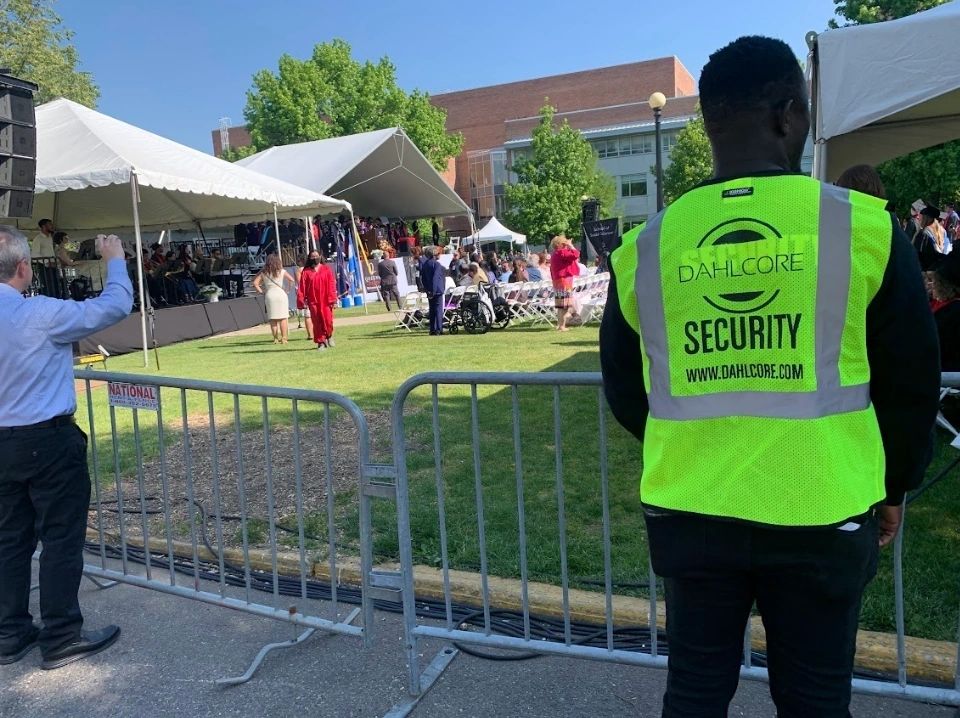
Local volunteers and community organizations play a crucial role in coordinating emergency response efforts, ensuring that resources and assistance are efficiently delivered to those in need. Their presence helps maintain a sense of unity and hope, offering vital services like shelter, food, and counseling to affected individuals and families.
Empowering Local Citizens
Training programs equip residents with essential skills and knowledge to respond effectively during disasters, ensuring they can handle emergencies with confidence. By fostering a sense of preparedness, these programs contribute to building a more resilient, self-reliant community that can better cope with and recover from crises.
The Importance of Communication
Establishing Clear Communication Channels
Effective communication helps clarify expectations, reducing misunderstandings and enabling more efficient problem-solving. It fosters collaboration, ensuring all team members are aligned with the goals and processes for a successful outcome.
The Role of Technology in Emergency Management
Tools like GPS tracking, mobile apps, and automated alert systems enhance real-time communication, allowing teams to respond quickly and effectively to crises. These technologies also optimize resource allocation by providing accurate location data and timely updates, ensuring that help reaches those in need with minimal delays.
Training and Preparedness
Emergency Drills and Their Significance
Drills provide a controlled environment where leaders and responders can practice making critical decisions in high-stress situations, enhancing their problem-solving and teamwork skills. By simulating real-life scenarios, they build confidence and ensure readiness to effectively manage emergencies when they arise.
Developing Leadership Skills for Emergencies
Programs like FEMA’s National Preparedness System focus on developing leadership skills to ensure individuals can make informed, effective decisions under pressure. By honing these abilities, the programs aim to prepare leaders to navigate complex, high-stress environments during emergencies and disasters.
Legal and Ethical Considerations
Chain of Command Regulations and Policies
Every agency establishes clear protocols for leadership and delegation of responsibilities in emergencies to ensure a well-coordinated response. These policies help maintain accountability, ensuring that the right individuals take charge and that actions are taken efficiently and effectively.
Ethical Challenges in Emergencies
Leaders frequently must navigate complex decisions that require balancing immediate needs with long-term consequences, often under pressure from multiple stakeholders. These choices, such as allocating limited resources or implementing unpopular measures like quarantines, can have profound impacts on public trust and the well-being of communities.
Challenges in Leading Emergency Chains of Command
Coordination Across Agencies
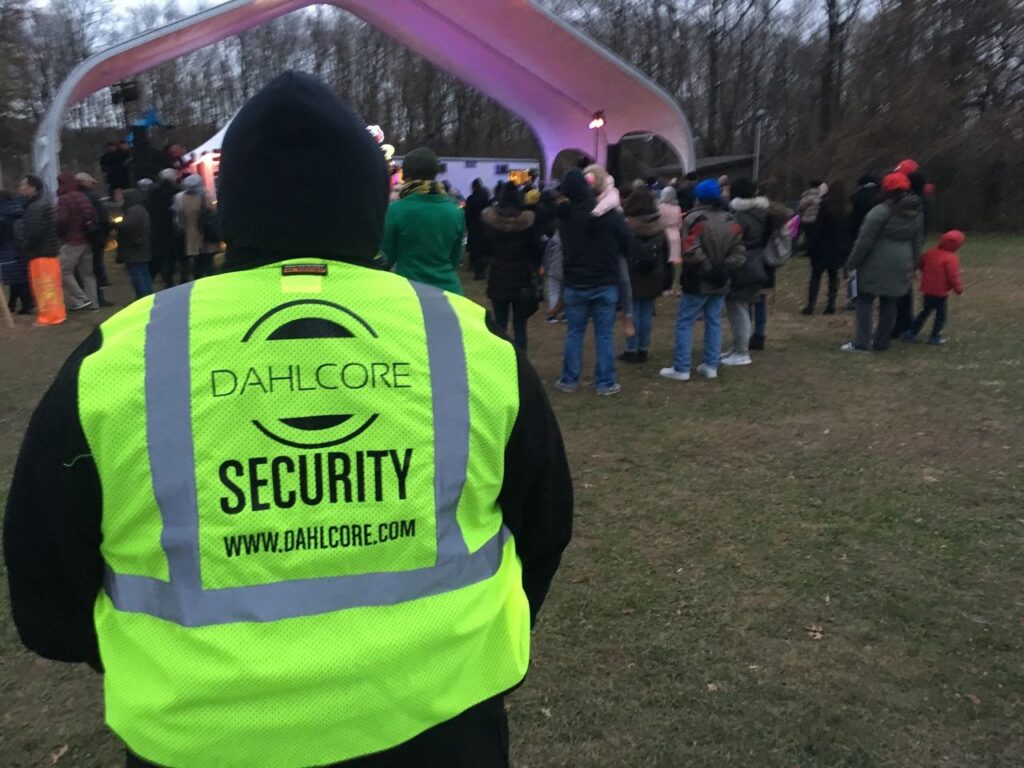
When multiple agencies with distinct protocols are involved, it can lead to inefficiencies and delays as each organization follows its procedures. To prevent these bottlenecks, leaders must establish clear, unified processes that align with all parties involved, ensuring smooth and timely execution.
Addressing Resource Shortages
Leaders must assess the urgency and impact of various challenges to ensure that limited resources are allocated to areas with the highest potential for positive outcomes. By addressing the most pressing needs first, they can maintain momentum and set the stage for long-term success.
Improving Emergency Leadership
Strategies for Enhancing Emergency Preparedness
- Regular updates to emergency plans.
- Investing in leadership training programs.
Adopting Innovative Tools and Techniques
AI-driven systems leverage real-time data to provide actionable insights, enabling leaders to quickly assess and respond to emerging situations. Predictive analytics further enhance decision-making by forecasting potential outcomes and guiding resource allocation, ensuring a more effective and timely response during emergencies.
Who Should Be Trained to Lead?
Identifying Potential Leaders
Individuals with experience in crisis management, like military personnel or emergency responders, are skilled at remaining calm under pressure and making decisive, strategic decisions in high-stress situations. Their ability to assess risks quickly, communicate effectively, and lead teams in chaotic environments often translates to exceptional leadership in various professional settings.
Importance of Cross-Agency Training
Training leaders across agencies help build a cohesive and unified response to crises by ensuring that all key individuals are well-prepared and capable of stepping into leadership roles as needed. This approach minimizes confusion and delays, enabling a swift and efficient emergency response.

Frequently Asked Questions
Who decides the emergency chain of command?
The emergency chain of command is typically decided by an organization’s leadership, often based on the hierarchy of authority. It outlines who is responsible for decision-making and actions during an emergency, ensuring effective communication and coordination.
What is the role of the Incident Commander?
The Incident Commander is responsible for overseeing and managing the overall response to an emergency or crisis. They make key decisions, coordinate resources, and ensure communication between all involved parties.
How does FEMA support local emergency efforts?
FEMA supports local emergency efforts by providing financial assistance and resources for disaster response and recovery. It also offers training, coordination, and logistical support to help local governments manage and mitigate emergencies effectively.
What happens if the chain of command is disrupted?
If the chain of command is disrupted, communication can become unclear, leading to confusion and inefficiency within an organization. This breakdown may result in delays, mismanagement, and reduced accountability.
Why is community involvement essential in emergencies?
Community involvement in emergencies fosters quicker response and recovery by leveraging local knowledge and resources. It also strengthens social bonds, ensuring a more coordinated and resilient recovery effort.
How can emergency leadership be improved?
Emergency leadership can be improved by enhancing communication skills and fostering a collaborative approach to decision-making during high-pressure situations. Regular training, simulation exercises, and the development of clear protocols also help leaders respond effectively in emergencies.
Conclusion
An effective emergency chain of command ensures that crises are managed efficiently, minimizing loss of life and damage by providing clear roles and responsibilities at every level. From local leaders coordinating first responders to federal agencies mobilizing resources, each tier of the command structure plays a crucial part in maintaining order and facilitating quick decision-making during chaotic situations. By investing in comprehensive training, fostering clear communication channels, and encouraging community involvement, we can create a resilient system that is not only prepared to react to emergencies but also to anticipate and mitigate potential disasters before they occur.
Check other blogs
Importance of 24/7 Security in Hotels: Ensuring Guest Safety
Is Hiring a Private Investigator Legal? Key Facts Explained
Industrial Security Guard Replacement | Remote Guarding for Sites
