


Trespassing is a significant concern for property owners, whether it’s residential, commercial, or agricultural land. Keeping trespassers away not only ensures the safety of your property but also helps prevent potential damages and legal complications. In this comprehensive guide, we will explore effective ways to prevent trespassing, offer practical tips, and explain how to handle unauthorized access situations effectively.
Understanding Trespassing and Its Risks
Trespassing occurs when someone enters your property without permission. The risks associated with trespassing can range from minor inconveniences to serious safety concerns, including theft, vandalism, or physical harm. Understanding the potential consequences of unauthorized access will help you better prepare for and prevent such incidents.
Legal Consequences of Trespassing
Trespassing laws vary significantly by jurisdiction, making it essential to understand the specific legal implications in your area. Being informed about these consequences not only helps you safeguard your rights but also deters potential violators by emphasizing the seriousness of such actions.
Common Reasons for Trespassing
People trespass for various reasons—sometimes out of curiosity, other times with malicious intent. Identifying what draws trespassers can help you address vulnerabilities on your property.
Factors Attracting Trespassers
Abandoned buildings, open gates, and poorly lit areas create opportunities that attract unwanted visitors, making security a concern. Properties located along common routes or shortcuts are particularly vulnerable, emphasizing the need for proactive measures to prevent unauthorized access.
How to Stop Trespassers: 10 Effective Tips
This section will cover ten practical tips that can significantly reduce the likelihood of trespassing incidents.
1. Secure Your Property with Proper Fencing
Installing a sturdy fence is one of the first steps to securing your property. Chain-link, wrought iron, or wooden fences provide physical barriers that deter potential trespassers. Choose a fence type that suits your property and blends well with the surroundings for both aesthetic and security purposes.
2. Install Security Cameras
Security cameras serve the dual purpose of discouraging potential intruders and providing valuable footage for investigations. Strategically place visible cameras at key entry points for maximum coverage, while also incorporating discreet cameras to enhance overall security.

Choosing the Best Camera Type
When choosing cameras, prioritize models that offer night vision, motion detection, and high-resolution capabilities to ensure comprehensive surveillance. These features provide continuous monitoring and clear, detailed footage, which can be crucial in the event of unauthorized access or security incidents.
3. Use Effective Signage
“No Trespassing” signs are a simple and cost-effective way to protect private property by warning intruders of restricted access. They not only communicate that entry is prohibited but also establish a legal foundation for taking action if someone disregards the notice.
Types of Warning Signs
You can use simple “No Trespassing” signs to deter unwanted visitors or opt for more explicit messages like “Beware of Dog” or “24-Hour Surveillance” for added emphasis. Ensure the signs are strategically placed at key entry points, such as gates and driveways, and check that they adhere to local laws and ordinances to avoid potential legal issues.
4. Keep Your Property Well-Lit
Dark areas around your property can attract trespassers by providing them with hidden spots to approach unnoticed. Installing bright LED lights along the perimeter not only illuminates shadowy corners but also acts as a strong deterrent, making it clear that your property is well-monitored and secure.
Optimal Lighting for Deterrence
Motion-activated lights are an excellent way to deter trespassers by catching them off guard and making their actions highly visible. For added sustainability, consider solar-powered lights, which are not only eco-friendly but also ideal for rural or off-grid areas where traditional power sources may be limited.
5. Hire Security Guards
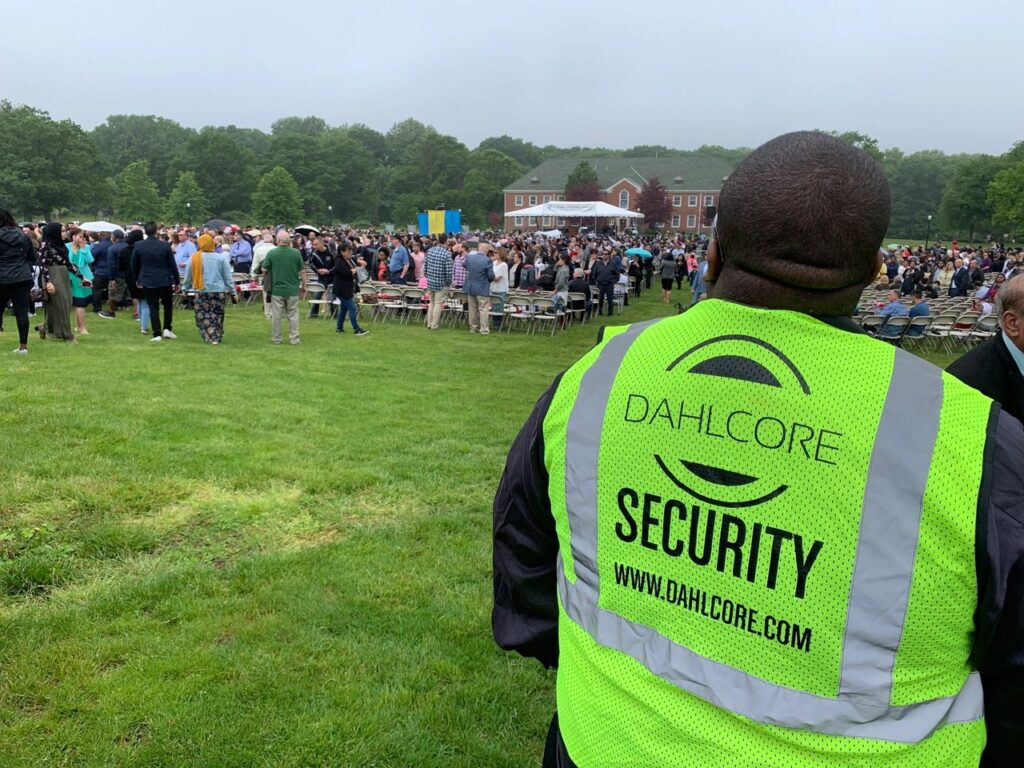
Hiring security guards offers a proactive approach to safeguarding the premises for properties prone to trespassing or situated in high-risk areas. Their presence deters unauthorized access and ensures immediate response to potential threats, enhancing overall safety.
Professional vs. Local Guards
Depending on your budget and specific needs, you can opt for professional security services or organize local patrols to enhance safety. While professional guards typically possess advanced training and experience, local services often provide a more affordable solution, making them suitable for smaller communities or businesses.
6. Utilize Motion Sensors
Motion sensors are an excellent tool for enhancing security by detecting and alerting you or your team to unauthorized movement on your property. They can be seamlessly integrated with alarms, security lights, or even surveillance systems to respond immediately and deter potential intruders effectively.

How Motion Sensors Work
Motion sensors work by detecting any movement within a designated area, using technologies such as infrared, ultrasonic waves, or microwave signals. They can be customized to activate alarms, turn on lights, or send instant notifications to your smartphone, providing real-time awareness and added security.
7. Create Natural Barriers
Thorny shrubs, dense hedges, and other natural obstacles can act as effective barriers. These natural elements not only enhance your property’s landscape but also make it more difficult for intruders to access.
Using Plants and Shrubs as Defenses
Plants such as holly, hawthorn, and roses are not only visually appealing but also serve as natural barriers with their sharp, thorny branches that discourage unwanted entry. Strategically planting them along fences, under windows, or near access points create an extra line of defense while blending seamlessly into your landscaping.
8. Install Access Control Systems
Access control systems, such as electronic gates, keypads, or biometric locks, provide a reliable way to limit access to authorized individuals, enhancing overall security. They are especially beneficial for commercial properties where safeguarding valuable assets, and sensitive information, and ensuring the safety of occupants is a top priority.
9. Engage Neighbors and Community
Building strong relationships with your neighbors can significantly improve the security of your property. A watchful community can often spot suspicious activity long before it becomes a problem.
Building a Neighborhood Watch
Forming a neighborhood watch group significantly enhances collective security awareness by encouraging residents to stay informed about potential threats and share observations. Additionally, exchanging contact information and coordinating schedules with neighbors creates a network of vigilance, ensuring that someone is always present to monitor and respond to unusual activities in the area.
10. Maintain Regular Patrols
Regularly patrolling your property—whether by yourself or with the help of guards—can deter potential intruders. Unexpected patrols, especially at odd hours, can make trespassers think twice before approaching.
Handling Unauthorized Access Situations
Even with the best preparation, unauthorized access can still occur unexpectedly, potentially putting your property and personal security at risk. It’s essential to understand the appropriate steps to take in such situations, from immediate response to long-term prevention, to maintain safety and minimize harm.
Contacting Authorities
If you see someone trespassing, it’s important to stay calm and avoid engaging with the individual directly, as this could escalate the situation. By contacting local authorities, you allow trained law enforcement professionals to assess and address the situation in a safe, lawful manner.
Legal Measures to Deal with Trespassers
If trespassers continue to unlawfully enter your property, pursuing legal action may become necessary to protect your rights. This could involve filing a lawsuit to seek a restraining order or injunction to prevent further incidents and hold the offenders accountable.
Filing Complaints and Legal Actions
Documenting trespassing incidents with detailed video evidence and witness accounts can strengthen your case if you choose to take legal action. Additionally, submitting formal complaints creates an official record that may deter trespassers from reentering the property in the future.
Proactive vs. Reactive Approaches
Preventing trespassing through proactive security measures is far more effective than dealing with the consequences afterward. By addressing potential threats early, you can minimize the risk of property damage, ensure the safety of those on your premises, and maintain peace of mind.
Benefits of a Proactive Security Plan
Being proactive means taking the initiative to implement robust security measures well in advance of any potential incidents or threats. By addressing vulnerabilities early, you not only reduce the likelihood of trespassing and unauthorized access but also ensure a sense of safety and peace of mind for yourself and others.

Frequently Asked Questions (FAQs)
How Can I Legally Deter Trespassers?
Using fences, signs, and cameras are legal and effective method to keep trespassers away. Always ensure that any deterrents comply with local laws.
Are Warning Signs Effective?
Yes, warning signs are highly effective. They serve as a visual reminder that the property is private and that there are consequences for unauthorized access.
What Are My Rights Against Trespassers?
Your rights depend on your jurisdiction, but generally, you have the right to ask them to leave, call authorities, and, if necessary, pursue legal action.
Should I Install a Fence?
Yes, fences act as a physical barrier and are often the first line of defense. Choose the type of fence that matches your property’s needs and budget.
Can I Use Security Dogs?
Security dogs can be an effective deterrent, especially for larger properties. However, ensure they are properly trained and comply with local animal control laws.
What If the Trespasser Is a Minor?
If the trespasser is a minor, handle the situation carefully. Contact their parents or guardians and notify authorities. Avoid any form of confrontation.
Conclusion
Preventing trespassers and addressing unauthorized access involves a blend of strategic planning, advanced security measures, and active collaboration with your community. Implementing solutions such as robust fencing, motion-activated security cameras, and organized neighborhood watch programs can deter potential intrusions while fostering a sense of shared responsibility. By taking these proactive measures, you safeguard your property, enhance safety, and promote peace of mind for all those within your space.
Check other blogs
What is Loss Prevention in Retail: A Comprehensive Guide
On-Site Security Solutions: Protect Your Business Today
Do Bodyguards Live with Celebrities: Ensuring Safety and Privacy
