

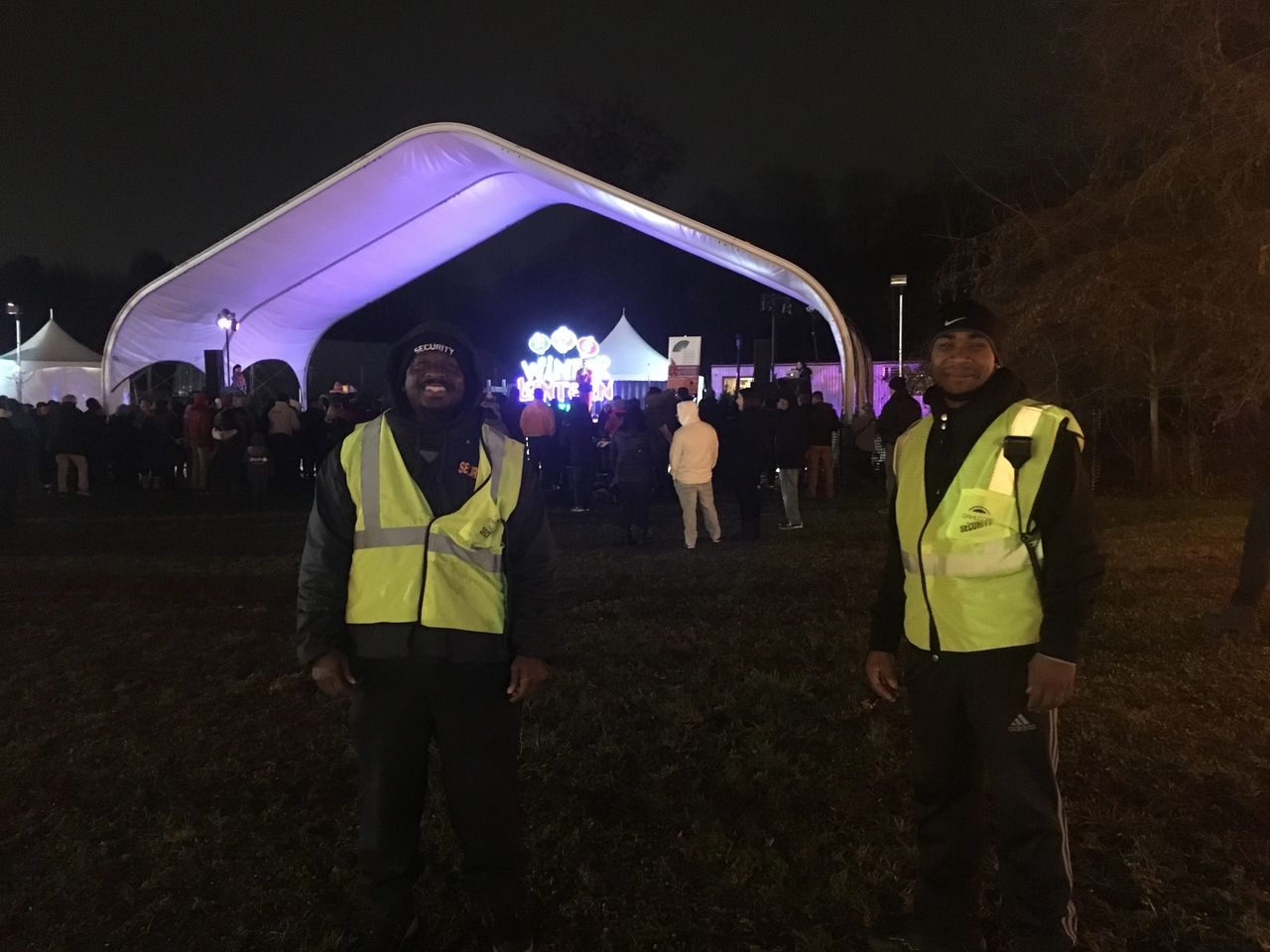
“Concert Security Screening: Balancing Safety and Enjoyment”
Concert Security Screening
Concerts are a blend of excitement and community, attracting vast crowds. In this vibrant atmosphere, the role of security screening is crucial. It’s a process designed to ensure the safety and well-being of everyone, from performers to attendees. Understanding the nuances of concert security offers insights and practical advice for a secure and enjoyable experience.
The Importance of Security at Public Events
Security at public events like concerts is vital for preventing incidents. It involves more than just crowd control; it’s about creating a safe environment where everyone can enjoy the event without fear.
Evolution of Security Screening Techniques
Over the years, security screening has evolved from basic bag checks to using advanced technologies. This evolution reflects a deeper understanding of potential risks and the need for more sophisticated safety measures.
Understanding Security Screening
Security screening at concerts is a multi-faceted process, employing various methods to ensure a safe environment.
Definition and Purpose of Security Screening
Security screening is the process of checking attendees for prohibited items and potential security threats. It’s a preventative measure to ensure safety and order during the event.
Types of Security Screenings at Concerts
Concerts may use different types of security screenings, including metal detectors, bag checks, and even advanced technology like facial recognition systems.
Preparing for Security Screening
Knowing what to expect can make the security screening process smoother for concertgoers.
What to Expect at Concert Entrances
Attendees should be prepared for bag checks, body scans, and possibly queues at concert entrances. Being aware of these procedures can help in planning arrival times and reducing stress.
Tips for a Smooth Security Screening Experience
Simple steps like arriving early, carrying minimal items, and understanding the venue’s policies can make the security process more efficient and less time-consuming.
Technology in Security Screening
Advancements in technology play a significant role in modern security screening processes.
Advanced Screening Technologies Used Today
From metal detectors to AI-assisted surveillance, technology is used to enhance security efficiency while being less intrusive to attendees.
The Role of AI and Digital Systems in Screening
Artificial Intelligence and digital systems are becoming increasingly common in security screening, offering more accurate and faster processing.
The Human Element of Security Screening
While technology is crucial, the human aspect of security must be considered.
Training and Skills of Security Personnel
Security staff at concerts are trained not only in operating screening equipment but also in crowd management, emergency response, and customer service.
Interaction Between Security Staff and Concertgoers
The interaction between security staff and attendees is critical to a positive experience. Respectful and transparent communication can make the security process more comfortable for everyone involved.
Security Screening Protocols
Standard protocols are in place to ensure a consistent and practical approach to security at concerts.
Standard Procedures at Concert Venues
Concert venues typically follow a set of standard procedures, which include bag checks, body scans, and ticket verification.
Special Measures for High-Risk Events
For events deemed high-risk, additional measures like increased personnel, advanced technology, and stricter entry requirements may be implemented.
Legal and Privacy Considerations
Security screenings must balance safety with legal and ethical considerations.
Understanding Your Rights at Security Checkpoints
Attendees should be aware of their rights regarding searches and privacy. Venues are obliged to respect these rights while ensuring safety.
Balancing Safety and Privacy
Finding the right balance between thorough security measures and respecting individual privacy is a crucial challenge for event organizers.
Security Screening for Different Types of Concerts
Security needs can vary depending on the type of concert and the venue.
Variations in Screening for Indoor vs. Outdoor Venues
Indoor venues have different security challenges compared to outdoor events, affecting the type and extent of security screening employed.
Tailoring Security Measures to Different Music Genres
The genre of music can also influence security needs. For example, a classical music concert might have different security considerations compared to a rock festival.
Challenges in Security Screening
Despite careful planning, security screening at concerts can face various challenges.
Dealing with Crowds and Queues
Managing large crowds and minimizing queues are significant challenges, requiring efficient processes and clear communication.
Addressing False Positives and Negatives
Security screening needs to be foolproof, and addressing false alarms or missed threats is crucial for effective security management.
Security Screening and Emergency Situations
Preparation for emergencies is a critical aspect of concert security.
Preparing for Evacuations and Emergencies
Concert security includes plans for emergencies, ensuring safe and orderly evacuations if needed.
Role of Security Screening in Crisis Management
Effective security screening can play a vital role in crisis management, helping to identify and mitigate potential threats quickly.
Future Trends in Concert Security Screening
The field of concert security is continually evolving, with new trends and technologies emerging.
Predictions and Innovations on the Horizon
Future trends in concert security include more personalized screening processes and greater use of biometric technologies.
Integrating New Technologies and Approaches
The integration of new technologies and approaches will be crucial in enhancing security while maintaining a positive attendee experience.
Personal Experiences with Concert Security
Sharing first-hand accounts and stories can provide valuable insights into the reality of concert security.
Sharing First-Hand Accounts and Stories
Personal experiences from attendees and security personnel can offer a unique perspective on the effectiveness and impact of security measures.
Learning from Past Security Incidents
Analyzing past security incidents at concerts can provide important lessons and help in improving future security strategies.
The Role of Attendees in Security Screening
Concertgoers play a significant role in the overall security of an event.
How Concertgoers Can Contribute to a Safe Environment
Attendees can contribute to safety by following venue policies, being alert, and cooperating with security procedures.
The Importance of Cooperation and Communication
Effective communication and cooperation between attendees and security staff are crucial for a smooth and safe concert experience.
Security Screening from an Organizational Perspective
Organizing and implementing security measures is a complex task for concert organizers.
Planning and Implementing Security Measures
Effective planning and implementation of security measures are essential for ensuring the safety and enjoyment of concertgoers.
Budgeting and Resource Allocation for Security
Allocating the necessary resources and budget for security is a crucial aspect of concert planning, ensuring that adequate measures are in place.
Comparative Analysis: Security Screening Across the World
Security practices can vary widely across different countries and cultures.
Differences in Security Practices Globally
A comparative analysis of security practices around the world can reveal diverse approaches and strategies used in different regions.
Lessons from International Security Strategies
Studying international security strategies can provide valuable insights and ideas for improving concert security.
Feedback and Improvements in Security Screening
Continuous improvement is critical to adequate concert security.
Gathering and Implementing Attendee Feedback
Collecting feedback from attendees can help in identifying areas for improvement and enhancing the concert experience.
Continuous Improvement of Security Practices
Ongoing evaluation and improvement of security practices are essential for adapting to changing threats and technologies.
Advanced Training for Security Personnel
Ongoing training and skill development are crucial for security personnel.
Specialized Programs and Skill Development
Security staff should undergo regular training in new technologies, emergency response, and customer service to stay effective in their roles.
Keeping up with Emerging Threats and Techniques
Staying informed about emerging threats and new security techniques is essential for maintaining adequate security at concerts.
The Role of Technology Vendors in Security Screening
Technology vendors play a significant role in concert security.
Collaborations and Partnerships for Better Security
Collaborating with technology vendors can bring in advanced solutions and expertise, enhancing overall security.
Evaluating and Choosing the Right Technological Solutions
Careful evaluation and selection of technological solutions are crucial for ensuring that they meet the specific needs of a concert venue.
Frequently Asked Questions about Concert Security Screening
What items are typically prohibited during security screening at concerts?
Prohibited items often include weapons, large bags, outside food and drink, and recording devices. Each venue may have specific restrictions, so it’s advisable to check their policy beforehand.
How early should I arrive at a concert to allow time for security screening?
It’s recommended to arrive at least an hour early, as this can vary depending on the event size and security measures in place.
Can security screening at concerts invade my privacy?
Security screenings are designed to balance safety with privacy. They adhere to legal standards, focusing on detecting threats while respecting individual rights.
What should I do if I have a medical condition that might affect security screening?
If you have a medical condition, inform security staff beforehand and carry any necessary documentation or medical IDs for a smoother screening process.
How has security screening at concerts changed due to the COVID-19 pandemic?
Security screenings now often include health checks, like temperature scans, and may require masks or social distancing, adapting to ensure public health safety.
Are there different security protocols for indoor and outdoor concerts?
Yes, indoor and outdoor concerts can have different security protocols, with outdoor events requiring more extensive perimeter checks and crowd management strategies.
Conclusion: The Future of Concert Security Screening
In conclusion, security screening at concerts is a vital component of event management. It involves a delicate balance between safety, efficiency, and respect for individual rights.
Summarizing Key Takeaways and Future Directions
Understanding the nuances of concert security not only enhances safety but also enriches the concert-going experience.
Emphasizing the Continuous Evolution of Security Practices
As technology advances and challenges evolve, so will the approaches to security screening, aiming to strike a balance between safety, efficiency, and the attendee experience.
Explore our other blog posts here
Strategies to Navigate Crisis Management for Maritime Security
Maritime Security: The Intersection of Tech & Human Expertise
Steps to Safeguard Marine Wildlife: The Role of Security Services
