


“Security Supervisor: Roles, Duties, and Responsibilities”
In today’s ever-changing security landscape, the role of a security supervisor is more critical than ever. Security supervisors ensure the safety of people, property, and sensitive information by overseeing security operations and personnel. They serve as the front line of defense in protecting assets and maintaining order within an organization. This article delves deep into the various responsibilities, duties, and challenges a security supervisor faces, highlighting why their role is essential to modern businesses and institutions.
According to Indeed the primary responsibilities of a security supervisor are Hiring security guards, Overseeing staff, Creating schedules, Implementing security policies, Inspecting equipment, and Assisting police with investigations.
Who is a Security Supervisor?
A security supervisor is a professional responsible for overseeing the daily operations of a security team, ensuring that all security protocols are followed to protect property and personnel. This role typically involves managing a team of security personnel, coordinating their activities, and ensuring they are adequately trained and equipped to handle various security challenges. Security supervisors are commonly found in various environments, from corporate buildings and shopping centers to residential areas and public events. They serve as the primary point of contact for both their team and the organization they protect, providing leadership and strategic guidance in all security-related matters.
Key Qualities and Traits of a Security Supervisor
A successful security supervisor should possess strong leadership skills, attention to detail, and the ability to remain calm under pressure. They should be excellent communicators, capable of instructing security teams and coordinating with law enforcement when necessary. Additionally, problem-solving and decision-making abilities are crucial, as they often need to react quickly in emergencies.
What is the main role of a security supervisor?
A security supervisor’s main role is to oversee security personnel’s operations to ensure the protection of property, assets, and people. This role involves coordinating the activities of security guards, monitoring their performance, and ensuring they are properly trained and equipped to handle various security challenges. Security supervisors also assess and manage risks, develop and implement security policies and procedures, and respond to incidents and emergencies. They act as a crucial link between the security staff and upper management, reporting on security status, and making recommendations to improve safety measures.
Core Responsibilities of a Security Supervisor
Overseeing Security Operations
The primary duty of a security supervisor is to manage all security operations within their area of responsibility. This includes scheduling shifts, ensuring that security personnel are present and performing their duties effectively, and following security procedures. A good security supervisor also ensures that all potential risks are monitored and controlled.
Maintaining Safety Protocols
To maintain a secure environment, security supervisors must enforce strict safety protocols. This involves conducting regular inspections of the premises, identifying vulnerabilities, and ensuring that all safety equipment is functioning properly. They also work with management to update policies as needed to address new security concerns.
Incident Reporting and Documentation
A key part of any security supervisor’s job is to ensure that all incidents, no matter how minor, are reported and documented. This is crucial for legal compliance and to prevent future incidents. Detailed reports help identify patterns of risk and allow the organization to take proactive measures.
Supervision of Security Personnel
Delegating Tasks to Security Guards
Effective supervision involves carefully delegating tasks based on each team member’s abilities and responsibilities. Security supervisors must ensure that every security guard understands their specific roles, such as monitoring entrances, conducting patrols, and responding promptly to any alarms or emergencies. By doing so, supervisors maintain a well-coordinated team that can effectively protect the premises and handle potential threats efficiently.
Conducting Staff Training and Development
In addition to daily supervision, security supervisors are responsible for training and developing their teams. Regular training sessions help keep security personnel updated on the latest security protocols, technology use, and emergency response techniques. Ongoing development ensures that the team is prepared for a range of potential security issues.

Risk Assessment and Management
Identifying Potential Security Threats
One of the most crucial responsibilities of a security supervisor is to anticipate potential threats before they escalate into significant problems. This requires maintaining constant vigilance, thoroughly reviewing daily reports, and closely monitoring any unusual or suspicious activities within the premises. By staying proactive in identifying and addressing threats, security supervisors can help prevent costly breaches and ensure the safety of both people and property.
Implementing Preventative Measures
After identifying risks, proactive steps to mitigate potential threats are essential. This can involve increasing surveillance in high-risk areas, conducting thorough background checks on new hires to ensure they pose no risk, and enhancing security by installing advanced systems. By implementing these preventative measures, organizations can significantly reduce vulnerabilities and maintain a safer, more secure environment.
Monitoring Security Systems
Managing Surveillance Equipment
Security supervisors play a crucial role in managing surveillance systems, ensuring that cameras, alarms, and other monitoring devices are operating efficiently. They are responsible for conducting regular checks on the equipment to prevent any technical issues and ensuring immediate action is taken when problems arise. Additionally, they must coordinate with technical support teams to troubleshoot and repair any malfunctioning systems to maintain continuous security coverage.
Ensuring the Proper Function of Alarm Systems
In addition to surveillance, alarm systems play a critical role in providing immediate alerts during security breaches or emergencies, helping to minimize damage and ensure a swift response. Supervisors must regularly check these systems to ensure that they function correctly and can be relied upon in crucial moments. Furthermore, supervisors must train staff thoroughly on the correct procedures to follow when an alarm is triggered, ensuring a coordinated and effective response to potential threats.
Compliance with Legal and Ethical Standards
Understanding Local and National Laws
Security supervisors must be knowledgeable about the legal requirements that govern their work. This includes understanding both local and national laws regarding security, privacy, and use of force. Staying informed about legal obligations ensures that all actions taken by the security team are lawful and ethical.
Ensuring Ethical Security Practices
In addition to adhering to legal requirements, ethical principles play a crucial role in maintaining trust and credibility. Security supervisors are responsible for creating an environment where integrity and accountability are core values within their teams. This involves making sure that security staff uphold individuals’ privacy, act with fairness, and demonstrate respect in all interactions, ensuring the highest ethical standards are maintained.
Emergency Response Planning
Coordinating with First Responders
In an emergency, like a fire or medical crisis, the security supervisor plays a critical role as the primary contact for first responders. They are responsible for providing precise instructions, guiding emergency personnel to the affected areas, and ensuring that the situation is handled swiftly and effectively. Additionally, they must maintain calm, coordinate with all parties involved, and oversee the process until the emergency is fully under control.
Leading Evacuation Procedures
In the event of an evacuation, the security supervisor must ensure that all individuals are quickly and safely guided out of the building. They are responsible for being well-versed in all designated evacuation routes and procedures. Additionally, they must coordinate with security personnel to strategically station them at key points, guiding and assisting individuals to reach safe areas efficiently.
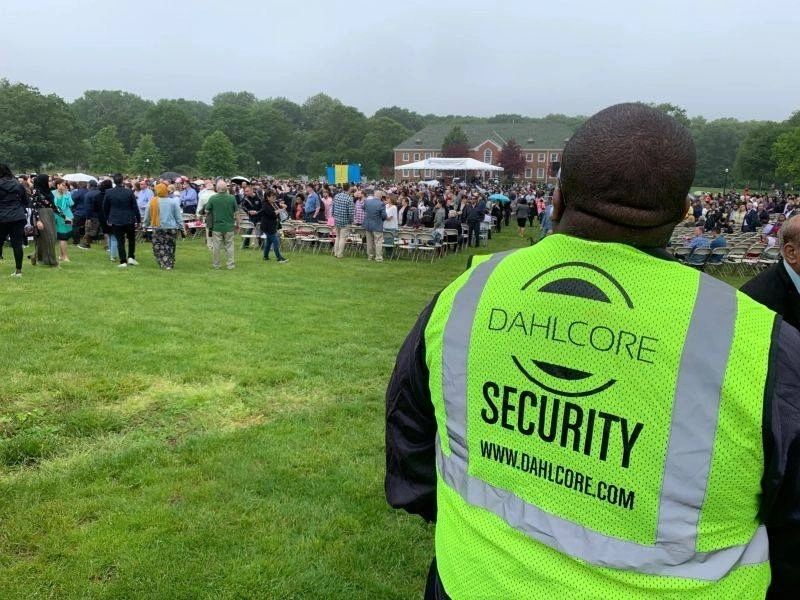
Communication and Reporting
Liaising with Management and Law Enforcement
Effective communication is crucial for a security supervisor, as they are responsible for keeping upper management informed about ongoing security issues and suggesting necessary improvements. This involves not only relaying updates but also ensuring that management understands the potential risks and actions required. Furthermore, security supervisors often collaborate with law enforcement during investigations or emergencies, ensuring that information is shared accurately and promptly to resolve incidents efficiently.
Providing Regular Security Updates
Keeping everyone informed is essential for effective security management. Supervisors are expected to provide regular updates on the security situation, highlighting any new risks or changes in policy. This helps to ensure that everyone within the organization is aware of potential security threats.
Customer Service in Security Supervision
Handling Public Queries and Concerns
Beyond security duties, supervisors frequently engage with the public by responding to inquiries and addressing safety concerns. They must effectively communicate information and provide reassurance to individuals who may be anxious about their surroundings. Possessing excellent customer service skills is essential to maintaining a sense of safety and trust among visitors.
Ensuring a Safe Environment for Clients and Staff
Security supervisors are essential in fostering a welcoming and secure atmosphere for both employees and visitors. Their visible presence provides reassurance, helping to create a sense of safety. Additionally, their quick response to any security issues ensures that operations continue smoothly without interruption.
What are the 5 Roles of a Security Supervisor?
A Security Supervisor plays a critical role in ensuring the safety and security of people, assets, and property. Here are five key roles typically performed by a Security Supervisor:
1. Leadership and Team Management: The security supervisor is responsible for leading their team, which includes hiring, training, and evaluating security staff. They ensure that all team members understand their roles and are motivated to perform their duties effectively.
2. Development and Implementation of Security Policies and Procedures: The security supervisor’s crucial role is to develop and implement security policies and procedures that meet the organization’s specific needs. This includes creating protocols for emergencies and routine operations.
3. Incident Response and Crisis Management: Security supervisors are key players during incidents and crises, tasked with managing the response to ensure safety and minimize risk. They coordinate with law enforcement and emergency responders, provide first aid, and manage evacuations if necessary.
4. Surveillance and Monitoring: They oversee the surveillance and monitoring of the premises using various technologies, such as CCTV systems, ensuring that all areas are adequately covered and that potential security breaches are identified and addressed promptly.
5. Reporting and Documentation: Accurate reporting and documentation are vital responsibilities of a security supervisor. They maintain records of incidents, prepare reports for management, and ensure compliance with legal and regulatory requirements.
Challenges Faced by Security Supervisors
Managing High-Stress Situations
Security supervisors frequently face high-stress scenarios, including emergencies or security breaches, which require immediate attention. Their capacity to stay composed under pressure is crucial for effective problem-solving and decision-making. Additionally, strong leadership skills are essential for guiding the team and ensuring a coordinated response during these critical times.
Dealing with Security Breaches and Failures
Despite meticulous planning, security breaches can still happen. Supervisors must be prepared to handle these incidents swiftly and effectively, minimizing any potential damage. Additionally, they must conduct thorough reviews to identify weaknesses and implement improvements to prevent similar issues in the future.

Technology in Security Supervision
Utilizing Modern Security Tools and Software
Technology plays a critical role in enhancing security management by streamlining processes and improving threat detection. Security supervisors need to stay proficient in using advanced tools like surveillance software, access control systems, and data analytics to monitor activities and predict risks more effectively. By leveraging these technologies, they can respond to incidents faster and ensure a safer environment.
Adapting to New Surveillance Technologies
As surveillance technologies continue to advance, security practices must adapt to meet new challenges and threats. Supervisors need to remain up-to-date on the latest innovations in security technology, such as AI-driven analytics and enhanced data encryption. By staying informed, they can ensure that their systems remain robust, effective, and capable of mitigating modern risks.
Career Path and Opportunities
Growth Opportunities in Security Supervision
The role of a security supervisor provides a valuable experience that can open doors to advanced career opportunities. As supervisors gain expertise in managing security operations, they can transition into higher-level roles like security manager or director. These positions involve greater responsibility, such as overseeing larger teams or coordinating security efforts across entire organizations.
Qualifications and Certifications for Advancement
Professional qualifications play a crucial role in advancing a security supervisor’s career, providing both credibility and specialized knowledge. Certifications like CPP and PSP are globally recognized and demonstrate a high level of expertise in security management and physical security. Earning these credentials can lead to opportunities for leadership positions, greater responsibilities, and increased earning potential in the field.
What Makes a Good Security Supervisor?
A good security supervisor possesses a blend of hard skills and soft skills that enable effective management of security operations. Key attributes include:
- Strong Leadership Abilities: They must be able to lead, inspire, and motivate their team, fostering a sense of responsibility and ethics among staff.
- Excellent Communication Skills: Effective communication with both team members and external stakeholders is crucial. This includes the ability to convey instructions clearly, listen to team input, and provide constructive feedback.
- Problem-Solving Skills: Good security supervisors are adept at identifying problems quickly and implementing practical solutions, particularly in high-pressure situations.
- Attention to Detail: The ability to notice small details can be the difference between preventing a security breach and reacting to one. A vigilant approach to monitoring and surveillance is essential.
- Adaptability and Flexibility: The dynamic nature of security work requires supervisors to be adaptable, handle unexpected situations, and make quick decisions based on changing conditions.
- Technical Proficiency: Familiarity with modern security technology and systems is a must, as these tools are integral to effective security management.
Together, these qualities ensure that a security supervisor can effectively protect people and property while maintaining a safe and secure environment.

What are the 5 basic functions of a security guard?
- Patrolling: Regularly walking or driving around the property to observe and report irregularities or potential security breaches.
- Access Control: Ensuring that only authorized individuals gain entry to restricted areas, often involving checking identifications or managing entry points.
- Surveillance: Monitoring CCTV systems and alarms to detect unusual behavior and respond to security alerts.
- Incident Response: Reacting quickly to emergencies or security breaches, providing first aid if needed, and coordinating with law enforcement and emergency responders.
- Reporting and Documentation: Keeping detailed logs of activities and incidents, writing reports on disturbances, and maintaining records of visitor data for future reference.
What is the job objective of a security supervisor?
The job objective of a security supervisor is to maintain a safe and secure environment for customers and employees by establishing and enforcing security policies and procedures; supervising the security team, and managing all security operations within the organization. Their aim is to prevent losses and damage by reporting irregularities, informing violators of policy and procedures, and restraining trespassers. A key objective is also to improve security effectiveness by recommending new policies and procedures and adjusting existing protocols to enhance safety measures.
Government Standards in Security Supervision
Security Administration Series, GS-0080 – U.S. Office of Personnel Management document offers a comprehensive look at security responsibilities in federal and government contractor facilities. It details how security specialists, including supervisors, play a crucial role in assessing security vulnerabilities, designing systems, and implementing security measures. It emphasizes the importance of planning, implementing, and evaluating security programs, which aligns well with the roles of a security supervisor as discussed in your article. Additionally Security Supervision – A Handbook for Supervisors and Managers | Office of Justice Programs. This handbook is a valuable resource for security professionals, providing insights into the organization, supervision, and training of security forces. It covers a wide range of topics essential for security supervisors, including the development of security policies, incident response, and crisis management. The content is particularly relevant for those managing security in industrial or commercial settings.
FAQs
What are the primary responsibilities of a security supervisor?
A security supervisor oversees security operations, manages personnel, ensures compliance with safety protocols, and responds to incidents.
How does a security supervisor manage risk?
They assess potential threats, implement preventative measures, and regularly monitor security systems to minimize risks.
What qualifications are needed to become a security supervisor?
While formal education may vary, certifications like CPP or PSP are highly recommended for career advancement in security supervision.
How important is communication for a security supervisor?
Communication is essential, as supervisors must liaise with management, law enforcement, and the public to ensure smooth operations.
What role does technology play in security supervision?
Modern security tools and surveillance technologies are critical, and supervisors must be skilled in using them to monitor threats and manage security effectively.
How do security supervisors handle emergencies?
They lead emergency response efforts, coordinate with first responders, and ensure the safety of all individuals during crises.
Conclusion
The role of a security supervisor is dynamic and multifaceted, requiring a broad range of skills, from leadership to technical expertise. As organizations continue to face evolving security challenges, the demand for capable security supervisors will only grow. By mastering the roles, duties, and responsibilities outlined here, security supervisors can not only protect their organizations but also contribute to a culture of safety and trust.
Check other blogs
What Are the Consequences of Having a Joint at a CA Concert?
Security Supervisor: Roles, Duties, and Responsibilities
10 Ways to Boost Physical and Logical Access Control Security
High Paying Security Officer Jobs: Salaries & How to Get Hired
