


Access control security services are the vanguard of information security, ensuring that only the right eyes gaze upon sensitive data and the right hands wield the power to alter it. In an age where digital footprints are as critical as physical ones, understanding and implementing robust access control measures is not just a luxury; it is a necessity.
Understanding Access Control Security Services
Cybersecurity is akin to a labyrinth, with access control being the intricate lock that keeps the labyrinth’s secrets safe from unwelcome intruders. This complex system is designed for discerning who can view or use the resources in a computing environment. It is a critical component of security compliance programs that ensure security and data privacy. But it’s not just about locking doors; it’s about providing a flow that allows the right people through at the correct times while tracking their movements.
What are the Three Types of Access Control?
Access control is a fundamental aspect of security management in any organization. The three main types of access control are mandatory access control (MAC), discretionary access control (DAC), and role-based access control (RBAC).
- Mandatory Access Control (MAC): MAC is a strict access control mechanism where access rights are regulated based on predefined policies set by the system administrator. In this system, the user cannot change the permissions assigned to a resource. Users are granted access based on security labels, such as classification levels (e.g., confidential, secret), and can only access information aligned with their security clearance.
- Discretionary Access Control (DAC): DAC allows owners of resources, such as files or devices, to control who has access to them. With this model, the resource owner has the discretion to assign or revoke access to other users. DAC is more flexible than MAC but potentially less secure, as users can share their resources with others without oversight.
- Role-Based Access Control (RBAC): RBAC assigns access rights based on a user’s role within an organization. Roles, such as “administrator” or “employee,” determine the level of access granted. This model simplifies access management by ensuring users only have access to the resources necessary for their job functions.
These three access control types each provide varying levels of security and flexibility, allowing organizations to choose the best fit for their needs.
The Essence of Access Control
Defining Access Control in the Digital Realm
In the digital world, access control is the selective restriction of access to a place or other resource. The act of accessing may mean consuming, entering, or using. Permission to access a resource is called authorization. This element is the cornerstone of security policies and a fundamental puzzle in any organization’s security architecture.
The Importance of Access Control in Cybersecurity
Why do we lock our doors at night? It’s not because we hate our neighbors but because we value our privacy and security. Similarly, in the virtual neighborhood of our digital lives, we implement access control to safeguard information from the endless sea of online threats. Access control security services ensure that users are who they claim to be and that they have the appropriate access to company data.
Core Access Control Security Services
What Are Three Access Control Security Services
The trinity of access control—authentication, authorization, and accountability—forms the foundation of a secure system. Authentication verifies the identity of users, ensuring only legitimate parties can access the system. Authorization governs the level of access each authenticated user has, while accountability tracks actions taken, providing an audit trail to ensure compliance and identify potential misuse.
Authentication: The First Gatekeeper
Authentication serves as the initial barrier to access, where the system verifies your identity before granting permission. This process ensures that only authorized individuals can proceed, as the correct credentials act as the keys that unlock entry.
Types of Authentication
There are several types of authentication methods available, each with its strengths and uses. Passwords remain the most common and reliable form of securing access, offering simplicity and familiarity. Meanwhile, newer technologies like tokens and biometrics provide enhanced security with advanced features, offering a more personalized and harder-to-breach alternative.
Role in Security Services
Authentication serves as the primary barrier that ensures only authorized individuals can access systems, safeguarding sensitive data and resources. Much like a castle’s moat keeps invaders at bay, it prevents unauthorized users from breaching security, with various methods like passwords, biometrics, and two-factor authentication. However, unlike a physical moat, the digital equivalent is constantly evolving to counter more sophisticated threats, such as hackers who exploit vulnerabilities to bypass traditional safeguards.
Authorization: Defining User Privileges
Once past the gates, what can you do within the walls? That’s where authorization comes in. The rulebook says what you’re allowed to touch and what’s off-limits.
Levels of Authorization
In the digital realm, access to certain areas is carefully regulated, much like a library’s special collections that are restricted to certain users. These reserved sections are categorized into different levels, with basic users having access to common features, while higher privileges are granted to admins for more sensitive tasks. This ensures that the system remains organized, secure, and that users only interact with the parts of the system that they are authorized to access.
Implementing Authorization Protocols
To ensure the rulebook is followed, we implement strict protocols that define and enforce specific access levels for individuals. By limiting access to designated areas based on permissions, we ensure that people only operate within their authorized zones.
Accountability: Keeping Track of User Activities
Once you’re in and doing your thing, accountability is the scribe that keeps a log. It’s about tracing actions to the user, ensuring that someone can always answer for the changes.
Monitoring and Logging User Actions
It’s not about Big Brother watching; it’s about creating a traceable record of who did what and when which is essential for both security and compliance.
Compliance and Legal Requirements
These logs are the bread and butter of compliance audits. They keep companies on the right side of the law, proving that they take data security seriously.
Implementing Access Control
How do we put all this theory into practice? That’s where the rubber meets the road.
Technologies Enabling Access Control
From biometrics to encryption, the technology behind access control is as varied as it is vital. These tools are the building blocks of a secure access control system.
Biometrics and Smart Cards
Biometrics are like your body’s unique passwords, while intelligent cards are the VIP passes to the digital gala.
Encryption and Network Access Control (NAC)
Encryption is the secret language that keeps communications safe from eavesdroppers, and NAC is the bouncer at the network’s door.
Best Practices for Access Control Management
Just like you maintain your car, access control systems require regular check-ups and tune-ups.
Policy Development and Implementation
Creating policies is like drawing a map; it shows everyone the right path.
Regular Access Reviews and Updates
As time passes, people’s roles change, and access needs to be reviewed to ensure that it still aligns with current needs and policies.
Advanced Access Control Services
As we dive deeper, the waters get more interesting with the evolution of access control.
Federated Access Control for Modern Enterprises
This approach allows for a seamless experience across different systems and organizations, like a universal key chain.
Concept and Benefits
Federated access control is like a diplomatic agreement between nations, allowing smoother transitions and interactions.
Challenges and Considerations
While the concept is appealing, it has its challenges. It’s like coordinating a party where everyone’s on a different diet—it requires careful planning.
Cloud-Based Access Control Services
The cloud has become the new frontier, and access control here is like the law of this airborne land.
Features and Advantages
Cloud-based access control offers flexibility and scalability, like building your castle in the sky.
Security Considerations
With great power comes great responsibility, and in the cloud, security is that responsibility.
IoT and Access Control Challenges
The Internet of Things has brought devices into the fold, expanding the domain of access control.
The Growing Need for Robust Access Control
As more devices connect, the network expands like a web, and controlling access becomes more complex and critical.
Strategies for Secure IoT Access
Securing this web requires intelligent strategies, like spiders crafting stronger silk for their webs.

The Human Element in Access Control
Even in the digital age, humans are a critical component of the security equation.
Training and Awareness for Effective Access Control
Educating the knights and citizens of the digital realm is critical to a secure kingdom.
Developing a Security-Conscious Culture
It’s about creating a mindset where security is as natural as breathing.
Training Programs and Their Importance
Training programs are the drills that keep the soldiers of cybersecurity ready for battle.
The Role of Physical Security in Access Control
Digital security can’t ignore the physical world—it’s like having a moat but leaving the drawbridge down.
Physical Barriers and Environmental Design
These are the walls and moats of the physical world, complementing the digital defenses.
Integration with Digital Access Control Systems
The marriage of physical and digital security systems is like the alliance of two kingdoms, stronger together.
What are the Three Security Services?
Security services help protect information systems and ensure the integrity, confidentiality, and availability of data. The three core security services are confidentiality, integrity, and availability.
- Confidentiality: Confidentiality ensures that information is accessible only to those authorized to view it. This service is often implemented using encryption, access control lists, and user authentication. Its purpose is to prevent unauthorized access to sensitive data.
- Integrity: Integrity refers to the accuracy and reliability of data. Security services aimed at maintaining data integrity include checksums, hashes, and digital signatures, which help detect any unauthorized modifications to the data.
- Availability: Availability guarantees that information and services are accessible when needed. This service focuses on ensuring systems remain operational and that data is available to authorized users at all times, even in the face of potential threats like denial-of-service attacks.
Together, these three services provide a robust framework for protecting information systems from a wide range of security threats.
Access Control Trends and Innovations
Innovation in access control is like the evolution of castles, from stone fortresses to smart homes.
AI and Machine Learning in Access Control
Artificial intelligence is the wise wizard that anticipates problems before they arise.
Predictive Analytics and Anomaly Detection
These are the crystal balls of cybersecurity, offering glimpses into potential future events.
Adaptive and Contextual Access Controls
Adaptive controls are like having doors that recognize your face and mood, adjusting access accordingly.
Blockchain and Decentralized Access Control
Blockchain is the rebel, challenging traditional systems with a new approach to trust and security.
Trustless Systems and Smart Contracts
These systems operate because trust is overrated—at least when a verifiable ledger can occur.
GDPR and Other International Standards
These are the international treaties of data protection, outlining the dos and don’ts of personal information handling.
Industry-Specific Regulations
Like guilds have different rules, industries from healthcare to finance have specific regulatory requirements.
Dealing with Access Control Breaches
When breaches happen, it’s like a siege on the castle, and a well-planned response is a counterattack.
Incident Response Strategies
These strategies are the plans that keep a bad situation from becoming a catastrophe.
Legal Implications and Damage Control
Navigating the aftermath of a breach is as much a legal battle as a technical one.
Which Three of the Following Are Physical Access Controls?
Physical access controls refer to security measures that restrict unauthorized access to facilities or physical assets. Three common physical access controls include locked doors, biometric systems, and security guards.
- Locked Doors: Using locked doors is one of the most basic physical access controls. These locks can be mechanical or electronic and prevent unauthorized individuals from entering sensitive areas. The lock types may include keycards, traditional keys, or coded systems, depending on the level of security required.
- Biometric Systems: Biometric systems are advanced access controls that use unique physical traits, such as fingerprints, retinal scans, or facial recognition, to grant access. These systems provide a high level of security because they rely on characteristics that are difficult to replicate.
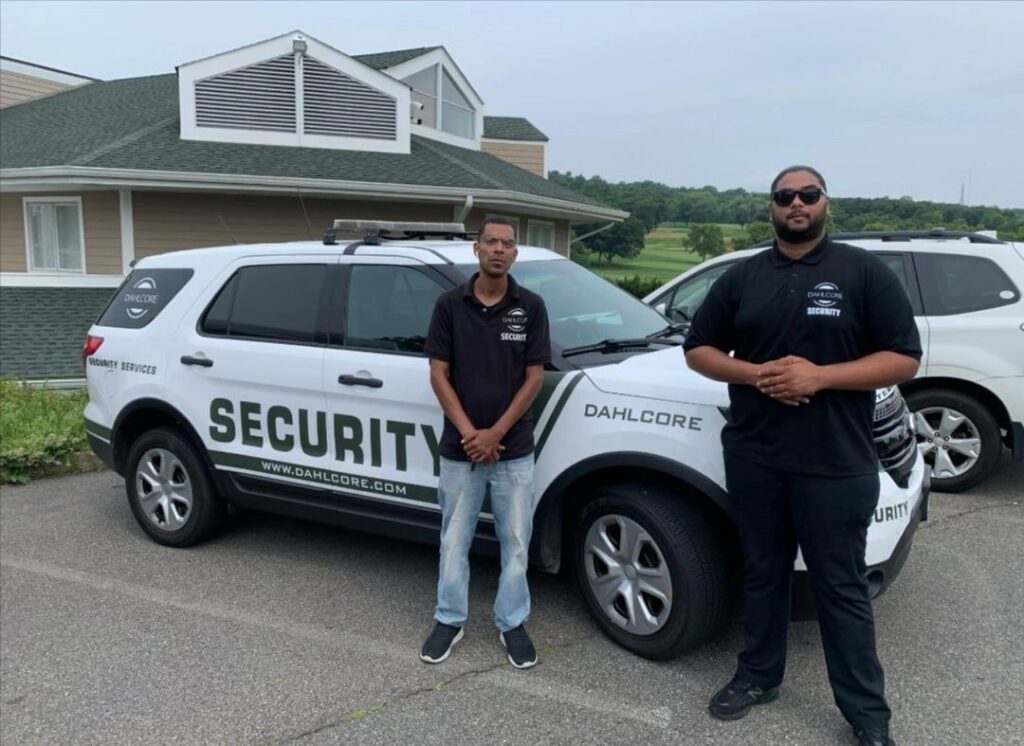
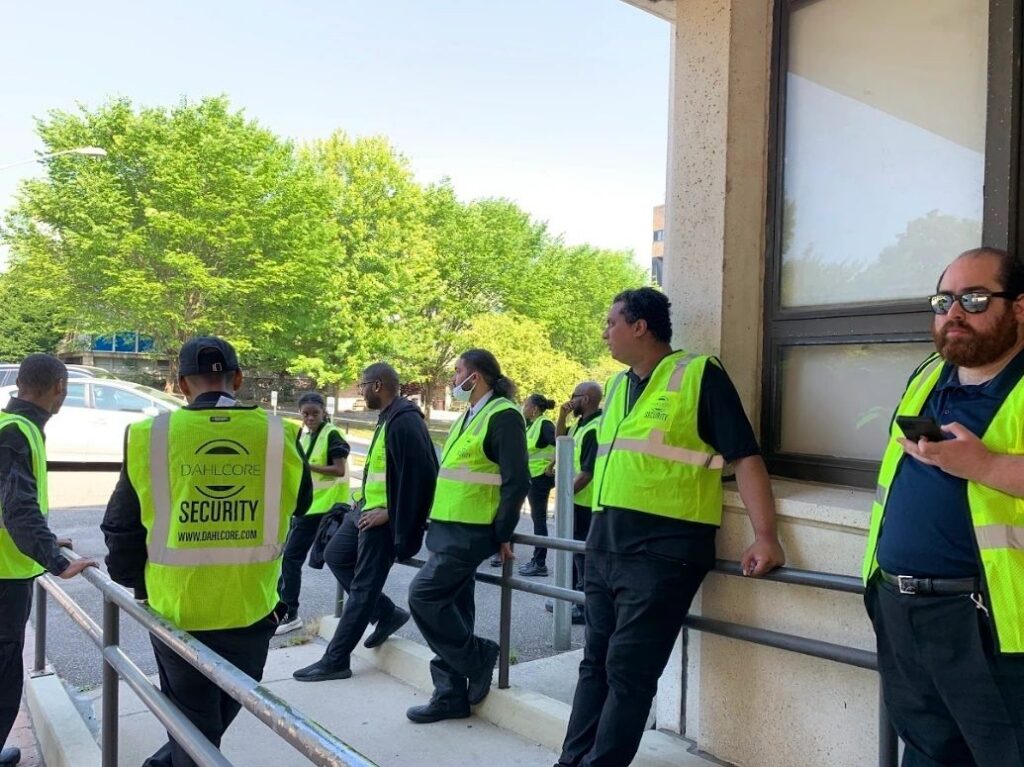
- Security Guards: Security guards are a direct physical security control. They monitor the premises, check for unauthorized individuals, and ensure only authorized personnel enter specific areas. Guards also serve as a deterrent to potential intruders and can act quickly to address security breaches.
By implementing these physical access controls, organizations can protect valuable physical resources and maintain a secure environment for their employees.
What Are Access Control Security Services?
Access control security services are designed to regulate who can access specific resources and how they can interact with them. These services are fundamental to maintaining secure environments. The core access control services include authentication, authorization, and accountability.
- Authentication: Authentication is the process of verifying the identity of users or systems before granting access. It involves methods like passwords, multi-factor authentication (MFA), or biometric verification to ensure that only authorized individuals can access sensitive resources.
- Authorization: Authorization defines what actions authenticated users can perform. After a user is authenticated, the system checks their access rights to determine whether they can read, write, or execute a particular resource. This process ensures that users can only perform operations within their scope of permission.
- Accountability: Accountability ensures that actions performed within a system are traceable to the individuals responsible for them. This service includes logging and monitoring access attempts, tracking changes to critical resources, and creating audit trails. Accountability helps in detecting security breaches and providing evidence in case of incidents.
Together, these access control security services provide a comprehensive approach to ensuring that resources are protected from unauthorized access and misuse.
Enhancing Access Control Measures: Insights from Government Resources
Implementing robust access control policies is essential for safeguarding sensitive information. The National Privacy Commission (NPC) emphasizes the importance of access control policies in protecting personal data. They recommend that organizations establish clear guidelines on who can access specific information and under what circumstances. This approach ensures that only authorized individuals can view or modify sensitive data, thereby reducing the risk of unauthorized access and potential data breaches. National Privacy Commission
Additionally, the National Institute of Standards and Technology (NIST) provides comprehensive guidance on access control mechanisms, particularly in cloud environments. Their publication, “General Access Control Guidance for Cloud Systems,” offers detailed recommendations on implementing effective access control measures tailored for cloud-based systems. By following these guidelines, organizations can enhance their security posture and ensure that access to critical resources is appropriately managed. csrc.nist.gov
FAQs
We are tackling the most pressing queries about access control.
How do you choose an access control service that suits your business’s unique needs? It’s like finding the correct key for a particular lock—there are factors to consider and options to weigh.
What does the future hold for access control services?
Peering into the future is always speculative, but trends point to a more integrated, intelligent, and user-friendly access control landscape.
How do you compare and contrast different access control services?
It’s like comparing other breeds of guardian beasts—each has its strengths and ideal environments.
What are the common challenges with access control, and how can they be overcome? Challenges are as inevitable as storms, but with the proper preparation, they can be weathered.
How is access control related to data privacy?
The two are like siblings, intertwined and interdependent, with access control often serving as the gatekeeper for privacy.
What tips can help maintain strong access control measures? Regular maintenance, updates, and education are the tools to keep the fortress secure.
Conclusion
We are wrapping up the intricate world of access control and its impact on our digital lives.
The trinity of access control security services—authentication, authorization, and accountability—form the backbone of a secure digital environment. It is a constantly evolving field, adapting to new technologies and threats. Understanding and implementing effective access control measures becomes paramount as we integrate more of our lives and businesses into the digital domain. We must remain vigilant, adaptable, and educated to navigate this landscape safely.
Check other blogs
What Disqualifies You from Being a Security Guard? Key Factors
