

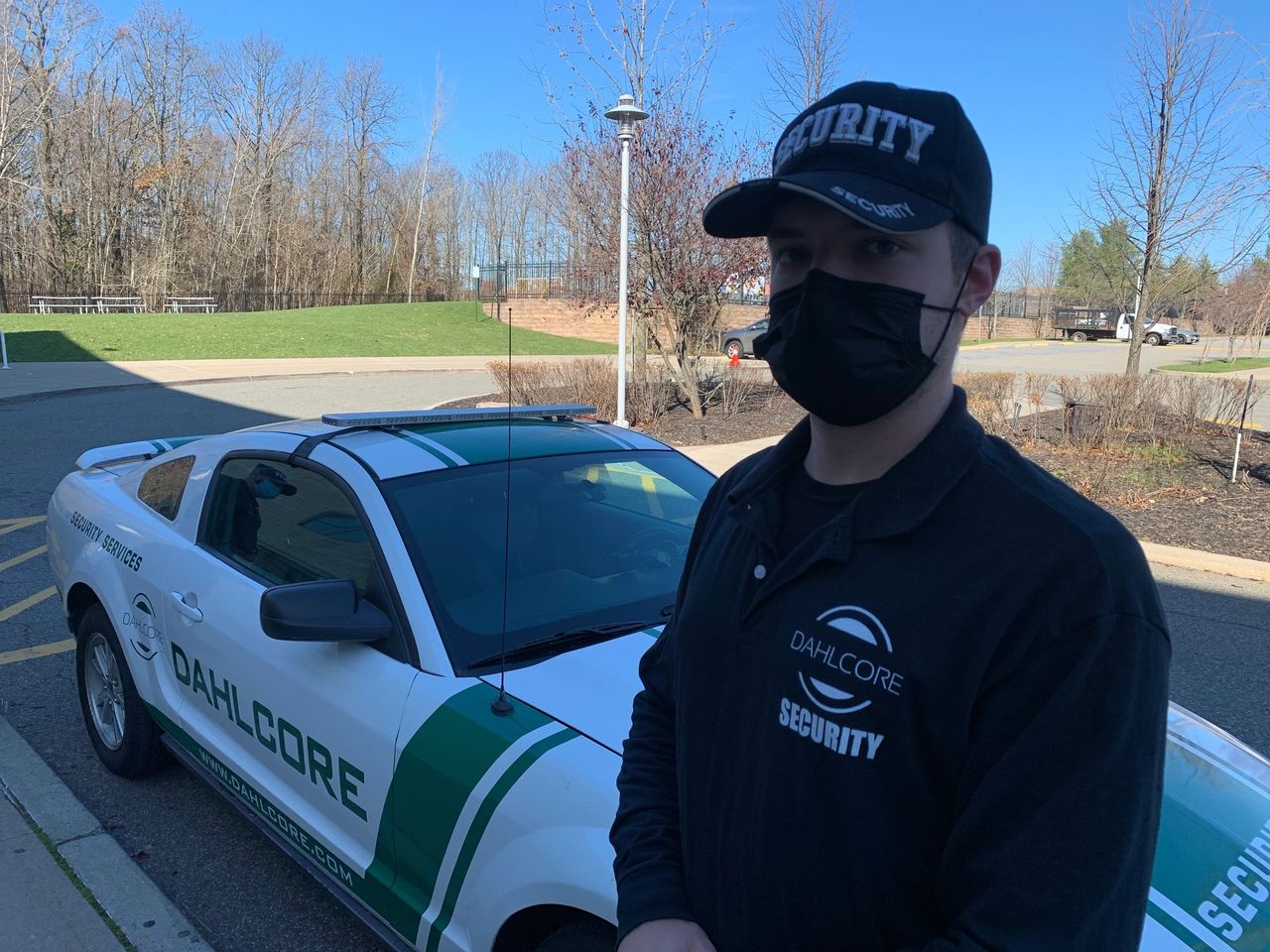
“Fire Guard for Torch Operations: Ensuring Safety and Compliance”
Torch operations are integral to many industrial and construction processes involving high-heat tools such as welding torches, cutting torches, and soldering equipment. While these operations are essential, they also pose significant fire hazards. A fireguard plays a crucial role in mitigating these risks by ensuring safety protocols are followed and being ready to respond to emergencies. This article delves into the responsibilities, training, and importance of fireguards in torch operations, highlighting their role in maintaining a safe working environment.
Understanding Torch Operations
Torch operations involve the use of intense heat generated by flames to perform tasks such as cutting, welding, and soldering various materials. They are crucial in industries like construction, metalworking, and manufacturing due to their efficiency and precision in shaping and joining metals and other materials. These operations require skilled handling to ensure safety and accurate results, making them integral to processes ranging from assembling structural components to crafting intricate metalwork. Masters of torch operations often blend technical expertise with practical experience to achieve optimal outcomes in their respective fields.
Types of Torch Operations
Torch operations can be classified into several types, each with specific applications and safety concerns:
- Welding Torches: These are used to join metal pieces together by melting and fusing them.
- Cutting Torches: Employed to cut through metal by heating it to its melting point.
- Soldering Torches: These are used in electronics and plumbing to melt solder and create secure joints.
Safety Concerns in Torch Operations
The intense heat emitted by torches poses a significant fire hazard due to its capability to ignite flammable materials on-site. Workers handling torches also face risks from sparks and molten metal, which can cause severe burns and injuries if not managed carefully. Consequently, strict adherence to comprehensive safety protocols is crucial to mitigate these potential dangers and ensure a secure working environment.
The Role of a Fire Guard
Responsibilities
A fire guard’s primary responsibility is to monitor torch operations for potential fire hazards. This involves:
- Inspecting the work area for flammable materials.
- Ensuring that proper fire suppression equipment is readily available.
- Staying vigilant during operations to quickly respond to any fire outbreaks.
Importance of Fire Guards
Fire guards play a crucial role in maintaining safety by preventing minor incidents from escalating into significant fires. By enforcing safety protocols, they mitigate risks and swiftly respond to emergencies, thereby reducing potential damage and injuries. Their vigilance and preparedness contribute significantly to overall fire prevention efforts in various environments.

Essential Skills and Training for Fire Guards
Required Certifications
Fire guards undergo rigorous training and certification to ensure proficiency in fire safety and emergency protocols, such as OSHA’s Fire Watch Training and certifications from the National Fire Protection Association (NFPA). These credentials validate their expertise in preventing and managing fire-related incidents, crucial for safeguarding lives and property in various environments. Employers often require these certifications to ensure compliance with safety regulations and enhance overall workplace preparedness for fire emergencies.
Training Programs
Effective training programs for fireguards cover a range of topics, including:
- Fire behavior and characteristics.
- Use of fire extinguishers and suppression systems.
- Emergency response procedures.
- First aid and CPR.
Fire Guard Equipment
Personal Protective Equipment (PPE)
Fireguards must wear appropriate PPE to protect themselves from fire hazards. This includes:
- Fire-resistant clothing.
- Gloves and boots.
- Eye and face protection.
Fire Suppression Tools
Essential fire suppression tools for fire guards include:
- Fire extinguishers (Class A, B, C, and D).
- Fire blankets.
- Fire hoses and nozzles.
Safety Protocols for Torch Operations
Pre-operation Safety Checks
Before beginning torch operations, fire guards should conduct thorough safety checks, including:
- Inspecting the work area for flammable materials.
- Ensuring fire suppression equipment is accessible and functional.
- Verifying that workers are wearing appropriate PPE.
Emergency Procedures
In the event of a fire, fireguards must:
- Alert workers and initiate evacuation if necessary.
- Use fire suppression equipment to control and extinguish the fire.
- Contact emergency services if the fire cannot be contained.
Fire Hazards in Torch Operations
Common Fire Risks
Torch operations pose several fire risks, such as:
- Ignition of flammable materials.
- Accumulation of combustible dust.
- Electrical hazards.
Preventive Measures
Regular Maintenance
Regular maintenance of torch equipment and fire suppression tools is crucial to ensure they function correctly during emergencies. By conducting routine checks and servicing, potential malfunctions that could cause fires are mitigated. This proactive approach not only enhances safety but also extends the lifespan of the equipment, reducing overall operational costs.
Safe Handling Practices
Workers must follow safe handling practices, such as:
- Keeping flammable materials away from the work area.
- Using appropriate PPE.
- Adhering to safety guidelines and procedures.
Legal Requirements for Fire Guards
Compliance with OSHA
The Occupational Safety and Health Administration (OSHA) mandates stringent fire safety regulations for workplaces, requiring fire guards to oversee torch operations meticulously. Compliance with these standards is crucial not only to prevent penalties but also to safeguard the well-being of workers from potential hazards. Vigilant adherence to OSHA guidelines helps maintain a secure working environment and mitigates the risk of fire-related incidents.
Local Regulations
In addition to federal regulations, fire guards must stay informed about and adhere to specific local ordinances and fire safety statutes governing their jurisdiction. This includes understanding the requirements for fire prevention, emergency response protocols, and building evacuation procedures mandated by local authorities. Compliance with these regulations ensures that fireguards contribute effectively to maintaining safety and mitigating fire risks within their designated areas.
Benefits of Having a Fire Guard
Reduced Fire Risk
A fire guard’s presence is crucial during torch operations as it significantly lowers the likelihood of fire incidents. Their constant vigilance and rapid responses effectively nip potential fires in the bud, preventing minor incidents from escalating into major catastrophes. This proactive approach not only enhances safety but also minimizes the possible damage and disruption caused by fires in industrial settings.
Improved Safety Standards
Fireguards play a crucial role in maintaining workplace safety by actively monitoring for fire hazards and ensuring that safety protocols are followed. Their presence helps to create a vigilant atmosphere where potential risks are promptly identified and addressed, thereby minimizing the chances of accidents or fire emergencies. By promoting a culture of safety, fireguards contribute significantly to the overall well-being and security of everyone in the workplace.
Challenges Faced by Fire Guards
Common Obstacles
Fireguards often face challenges such as:
- There needs to be more adequate training.
- Insufficient fire suppression equipment.
- Resistance from workers who may need more clarification on the importance of their role.

Solutions and Best Practices
To tackle these obstacles effectively, organizations must prioritize investments in thorough training initiatives tailored to fire safety protocols and emergency response procedures. Additionally, maintaining easily accessible fire suppression equipment across all facilities is crucial in swiftly containing potential hazards. Cultivating a safety-oriented workplace culture that emphasizes the responsibilities and expertise of fireguards further fortifies these measures, ensuring proactive prevention and rapid mitigation of fire risks.
Technological Advances in Fire Safety
New Fire Suppression Technologies
Advances in fire suppression technologies, like automatic detection systems and suppression mechanisms, significantly bolster the efficiency of fire guards by swiftly identifying and containing fires. These innovations not only improve response times but also minimize potential damage by swiftly deploying targeted suppression methods, thereby safeguarding lives and property more effectively. Integrating such technologies with traditional fireguard practices enhances overall safety protocols against fire hazards.
Innovations in PPE
Recent advancements in personal protective equipment (PPE) have introduced lightweight, fire-resistant fabrics that significantly enhance firefighters’ comfort and safety. These innovative materials not only reduce the burden on firefighters during long hours of duty but also provide crucial protection against intense heat and flames. By integrating these technologies into firefighting gear, the industry continues to prioritize both functionality and wearer comfort in challenging environments.
Frequently Asked Questions about Fire Guards for Torch Operations
What are the primary responsibilities of a fireguard?
A fire guard is responsible for monitoring torch operations for fire hazards, ensuring the availability of fire suppression equipment, and responding to emergencies.
What certifications are required for fireguards?
Common certifications include OSHA’s Fire Watch Training and NFPA certifications.
What equipment should a fire guard have?
Fire guards should have access to fire extinguishers, blankets, and hoses and must wear appropriate PPE.
How can fireguards prevent fires during torch operations?
Fireguards can prevent fires by conducting pre-operation safety checks, maintaining equipment, and ensuring that workers follow safe handling practices.
What are the legal requirements for fire guards?
Fireguards must comply with OSHA regulations and local fire safety laws.
Why is having a fire guard important?
Fireguards reduce the risk of fire incidents, improve safety standards, and ensure compliance with legal requirements.
Conclusion
Fire guards are indispensable in safeguarding torch operations, meticulously overseeing workspaces to enforce rigorous safety protocols. Their proactive stance in responding to emergencies is pivotal in preempting fire hazards and protecting personnel. Thorough training and access to specialized equipment are imperative to enhance the efficacy of fireguards in their critical responsibilities. As industries advance, the steadfast presence of fireguards will endure as a cornerstone in upholding workplace safety standards and regulatory compliance.
Check other blogs
How to Get a Security License in NY: 11 Vital Steps Unveiled
Tips for Public Safety City Guard Security: Ensuring Urban Safety
Unlocking Access Control: 5 Vital Security Training Tactics
Top Security Tips for Five-Star Hotels
Check also our Fire Watch Guards
