


Executive security consulting encompasses a range of services aimed at safeguarding businesses and high-profile individuals from various threats. It involves comprehensive assessments, strategic planning, and personalized protection measures to ensure the safety and security of executives and their assets.
Definition of executive security consulting
Executive security consulting involves the assessment, planning, and implementation of security measures tailored to protect high-profile individuals and their organizations. It encompasses physical, digital, and personal protection services designed to mitigate risks and ensure the safety of executives in various environments.
Importance of executive security for businesses and high-profile individuals
The importance of executive security cannot be overstated, particularly in today’s complex and interconnected world. High-profile individuals and businesses face an array of threats, including physical violence, cyber-attacks, and reputational risks. Adequate security measures are essential for preserving the well-being of executives, safeguarding sensitive information, and maintaining the integrity of the organization.
Purpose of executive security consulting services
The primary purpose of executive security consulting services is to identify potential threats, assess risks, and develop proactive strategies to mitigate vulnerabilities. By providing personalized security solutions, these services aim to enhance the safety and security of executives, their families, and their assets, ultimately enabling them to carry out their roles with confidence and peace of mind.
Threat Assessment and Risk Analysis
Threat assessment and risk analysis form the foundation of executive security consulting, allowing professionals to identify potential threats and vulnerabilities before they materialize into security incidents.
Identifying potential threats to executives and their assets
One of the initial steps in executive security consulting is to identify potential threats that executives and their assets may face. These threats can vary widely and may include physical threats such as stalking or assault, cyber threats such as hacking or data breaches, as well as reputational risks such as defamation or corporate espionage.
Analyzing the level of risk associated with various threats
Once potential threats have been identified, security professionals conduct a comprehensive analysis to assess the level of risk associated with each threat. This analysis takes into account factors such as the likelihood of occurrence, potential impact, and existing security measures in place to mitigate risks.
Conducting vulnerability assessments of physical and digital assets
In addition to identifying threats and assessing risks, executive security consultants conduct vulnerability assessments to identify weaknesses in physical and digital security measures. These assessments involve thorough evaluations of security protocols, access controls, and surveillance systems to pinpoint areas of vulnerability that may need to be addressed.

Security Planning and Strategy Development
Security planning and strategy development are crucial components of executive security consulting, as they involve the creation of tailored security plans and the implementation of proactive measures to mitigate identified risks.
Creating customized security plans based on threat assessment
Based on the findings of threat assessments and risk analyses, security consultants develop customized security plans tailored to the specific needs and circumstances of the executives and organizations they serve. These plans outline proactive measures and response protocols aimed at minimizing security threats and vulnerabilities.
Developing strategies to mitigate identified risks
In addition to creating security plans, consultants work closely with clients to develop strategies aimed at mitigating identified risks. This may involve implementing physical security measures such as access controls and surveillance systems, as well as digital security measures such as encryption and multi-factor authentication.
Implementing security protocols and procedures
Once security plans and strategies have been developed, consultants oversee the implementation of security protocols and procedures to ensure their effective execution. This may involve training staff on security best practices, conducting drills and exercises to test response capabilities, and continuously monitoring and updating security measures as needed.
Personal Protection Services
Personal protection services are a critical aspect of executive security consulting, providing executives with physical protection and peace of mind in various environments.
Providing physical protection for executives during travel and public appearances
One of the primary functions of personal protection services is to provide physical protection for executives during travel, public appearances, and other high-risk activities. This may involve the deployment of trained security personnel to accompany executives and provide close protection in potentially hazardous situations.
Coordinating with law enforcement agencies for additional security measures
In some cases, personal protection services may involve coordinating with law enforcement agencies to implement additional security measures, such as securing event venues or providing escorts for high-profile individuals. This collaborative approach helps enhance overall security and mitigate potential threats.
Offering 24/7 personal security detail for high-profile individuals
For high-profile individuals who require round-the-clock protection, personal protection services offer 24/7 security details consisting of trained professionals dedicated to ensuring the safety and security of the client at all times. These security details may include close protection agents, security drivers, and other specialized personnel equipped to respond to any security threats or emergencies.
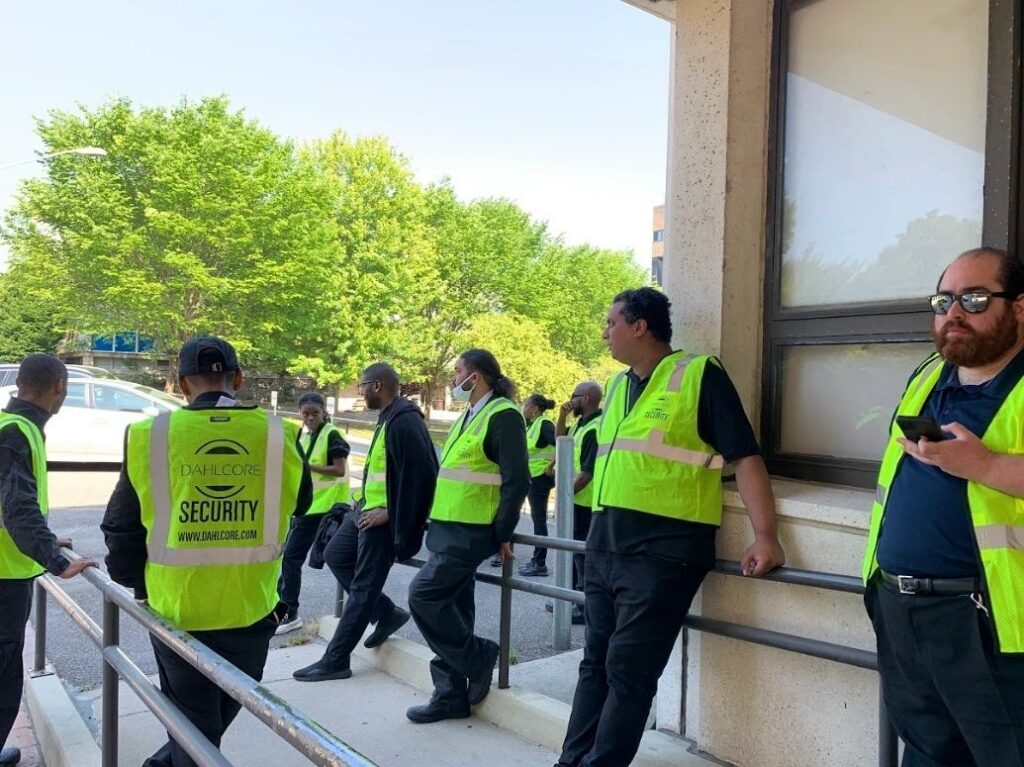
Cybersecurity Consulting
Cybersecurity consulting is an essential component of executive security. It focuses on protecting executives’ digital assets and online presence from cyber threats.
Assessing digital vulnerabilities and threats to executive’s online presence
Cybersecurity consultants conduct thorough assessments of executives’ digital footprints, identifying potential vulnerabilities and threats to their online presence. This includes evaluating the security of email accounts, social media profiles, and other digital platforms to prevent unauthorized access and data breaches.
Implementing measures to safeguard sensitive information and communications
Based on the findings of vulnerability assessments, cybersecurity consultants implement measures to safeguard sensitive information and communications. This may involve encryption technologies, secure communication protocols, and employee training programs to promote cybersecurity awareness and best practices.
Training executives and their staff on cybersecurity best practices
In addition to implementing technical measures, cybersecurity consultants provide training and education to executives and their staff on cybersecurity best practices. This includes raising awareness about common cyber threats, promoting safe online behavior, and equipping employees with the knowledge and skills to recognize and respond to potential security risks.
Crisis Management and Response
Crisis management and response services are essential for preparing executives and their organizations to respond effectively to emergency situations and mitigate potential damage.
Developing protocols for handling emergencies
Crisis management consultants work with executives to develop protocols and procedures for handling a wide range of emergencies, including natural disasters, security breaches, and other crises. These protocols outline clear steps for communication, decision-making, and response coordination to minimize disruption and ensure the safety of all involved parties.
Providing guidance and support during crises such as kidnappings, extortion, or cyber-attacks
In the event of a crisis, such as a kidnapping, extortion attempt, or cyber-attack, crisis management consultants provide executives with guidance and support to navigate the situation effectively. This may involve liaising with law enforcement agencies, negotiating with perpetrators, and managing media relations to protect the organization’s reputation.
Conducting post-incident analysis to improve future response strategies.
Following a crisis, consultants conduct thorough post-incident analysis to identify lessons learned and areas for improvement in the organization’s response strategies. This includes evaluating the effectiveness of crisis management protocols, communication procedures, and coordination efforts to enhance preparedness and resilience for future emergencies.

Training and Education
Training and education programs are integral to executive security consulting. They empower executives and their teams with the knowledge and skills needed to mitigate security risks and respond effectively to threats.
Offering specialized training programs for executives and their teams
Executive security consultants develop specialized training programs tailored to the unique needs and roles of executives and their teams. These programs cover a wide range of topics, including personal security awareness, crisis response protocols, and cybersecurity best practices, equipping participants with the tools and strategies to enhance their security posture.
Educating clients on security awareness and risk management
In addition to formal training programs, consultants provide ongoing education and guidance to clients on security awareness and risk management. This includes keeping clients informed about emerging threats and vulnerabilities and providing practical advice on how to identify and mitigate security risks in their day-to-day activities.
Providing ongoing support and updates on evolving security threats
Executive security consultants offer continuous support to clients, providing updates on evolving security threats and recommending adjustments to security measures as needed. This proactive approach ensures that clients remain vigilant and well-prepared to address new and emerging security challenges in real time.
Legal and Compliance Consulting
Legal and compliance consulting services are essential for ensuring that executive security measures are aligned with relevant laws and regulations and that organizations are prepared to address any legal challenges related to security incidents.
Ensuring compliance with relevant laws and regulations
Legal and compliance consultants work closely with executives and their organizations to ensure compliance with relevant laws and regulations governing security and privacy. This includes conducting legal reviews of security measures and policies to identify any potential areas of non-compliance and recommending appropriate remediation actions.
Advising on legal implications of security measures and incident response
In addition to ensuring compliance, consultants advise executives on the legal implications of security measures and incident response strategies. This includes providing guidance on liability issues, legal obligations to stakeholders, and potential consequences of security breaches, helping executives make informed decisions to protect their interests.

Collaborating with legal experts to address any legal challenges related to security
In the event of a security incident or legal challenge, consultants collaborate with legal experts to provide comprehensive support and representation to executives and their organizations. This may involve conducting internal investigations, preparing legal defenses, and representing clients in legal proceedings to resolve security-related disputes effectively.
Technology Integration and Solutions
Technology integration and solutions play a crucial role in enhancing the overall security posture of executives and their organizations. They leverage advanced technologies to detect, deter, and respond to security threats effectively.
Implementing advanced security technologies such as surveillance systems and access control
Security consultants assist executives in implementing advanced security technologies, including surveillance systems, access control systems, and intrusion detection systems. These technologies provide real-time monitoring and analysis of security threats, allowing for proactive identification and response to potential risks.
Integrating technology solutions to enhance overall security posture
In addition to deploying individual security technologies, consultants focus on integrating these solutions into a cohesive security ecosystem. This integration ensures seamless communication and coordination between different security systems, maximizing their effectiveness in detecting and mitigating security threats across all layers of the organization.
Providing technical support and maintenance for security systems
To ensure the ongoing effectiveness of security technologies, consultants provide technical support and maintenance services to executives and their organizations. This includes troubleshooting technical issues, performing regular system updates and patches, and conducting periodic audits to identify and address potential vulnerabilities in security systems. By providing comprehensive technical support, consultants help executives maintain a robust and resilient security infrastructure capable of adapting to evolving threats.

Frequently Asked Questions (FAQs)
What is the role of executive security consulting?
Executive security consulting involves assessing risks, developing tailored security plans, and implementing measures to protect high-profile individuals and their assets from various threats, including physical violence, cyber-attacks, and reputational risks.
Why is executive security important for businesses and high-profile individuals?
Executive security is essential for preserving the safety and well-being of executives, safeguarding sensitive information, and maintaining the integrity of organizations in the face of evolving security threats and vulnerabilities.
What does a threat assessment entail?
A threat assessment involves identifying potential threats to executives and their assets, analyzing the level of risk associated with each threat, and conducting vulnerability assessments to pinpoint areas of vulnerability that may need to be addressed.
How do personal protection services ensure the safety of executives?
Personal protection services provide physical protection for executives during travel and public appearances, coordinate with law enforcement agencies for additional security measures, and offer 24/7 security detail for high-profile individuals, ensuring their safety in various environments.
What is the role of cybersecurity consulting in executive security?
Cybersecurity consulting focuses on assessing digital vulnerabilities and threats to executives’ online presence, implementing measures to safeguard sensitive information and communications, and training executives and their staff on cybersecurity best practices to mitigate cyber risks.
How can executive security consulting help during crises?
Executive security consulting provides guidance and support during crises such as kidnappings, extortion, or cyber-attacks by developing protocols for handling emergencies, providing crisis management assistance, and conducting post-incident analysis to improve future response strategies.
Conclusion
Executive security consulting plays a crucial role in safeguarding businesses and high-profile individuals from a wide range of threats, including physical violence, cyber-attacks, and reputational risks. By providing comprehensive assessments, strategic planning, and personalized protection measures, executive security consultants enable executives to carry out their roles with confidence and peace of mind in an increasingly complex and interconnected world.
Check also our Executive Security
Explore our other blog posts here
Private Maritime Security Contractors: Safeguarding Our Oceans
Secure Your Healthcare Facility Effectively
