

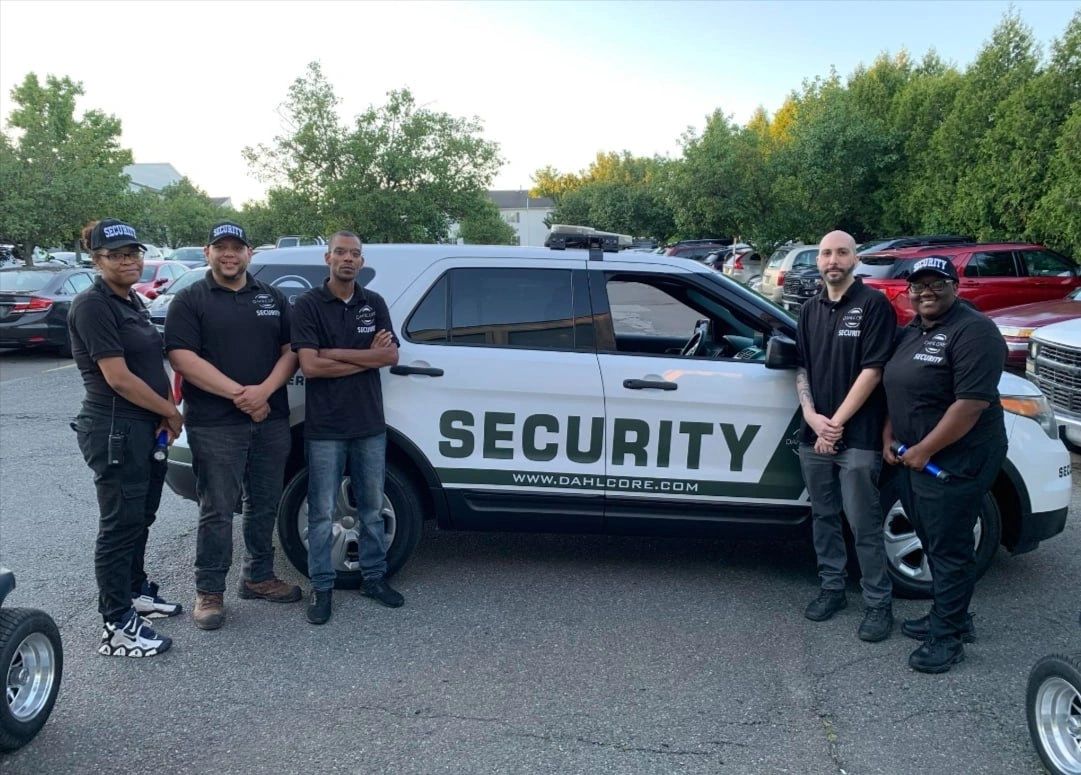
Private parties are more than just social gatherings—they are events where the safety and well-being of guests and the host are paramount. Whether it’s a small, intimate celebration or a large-scale affair, security concerns cannot be taken lightly. Security guards play an essential role in ensuring the smooth execution of such events by managing risks, protecting VIPs, and maintaining peace and order. In this article, we will explore the various roles that security guards perform at private parties and why their presence is crucial for a successful event.
Introduction
Definition and Importance of Security Guards at Private Events
Security guards are trained professionals responsible for safeguarding people, property, and assets. Their role at private parties extends beyond just manning the entrance; they are the backbone of event safety, handling everything from crowd control to emergency responses. For private party hosts, hiring security guards means peace of mind, knowing that their event is secure from potential threats, disruptions, or unauthorized individuals.
Overview of Security Challenges at Private Parties
Private parties present unique security challenges. With a diverse group of attendees, there is always the possibility of uninvited guests, rowdy behavior, or even criminal activities like theft or vandalism. Moreover, high-profile guests may require special attention, making the presence of professional security essential to mitigate these risks.
Assessing Event Security Needs
Tailoring Security Services to Event Size and Type
Each event requires a different approach to security based on its scale, location, and the profile of its guests. A small family gathering might require a couple of guards, while a high-profile event could need an entire team. Security providers work closely with the event organizer to assess these needs and determine the level of protection required.
Conducting Risk Assessments
A risk assessment is vital before any private party. Security teams analyze potential risks such as overcrowding, conflicts, and emergency situations. They identify entry points, high-traffic areas, and any vulnerabilities that need to be addressed before the event begins.
Pre-Event Planning
Collaborating with Event Organizers and Law Enforcement
Security planning begins with close collaboration between the event organizers and local authorities. If the event involves high-profile guests or large crowds, security guards often coordinate with law enforcement to ensure smooth operations and rapid response to emergencies.
Developing a Security Plan
A detailed security plan outlines procedures for access control, guest management, crowd control, and emergency response. This plan is tailored to the specifics of the event, including the layout of the venue, the number of attendees, and the nature of the event.
Access Control
Managing Guest Lists and Invitations
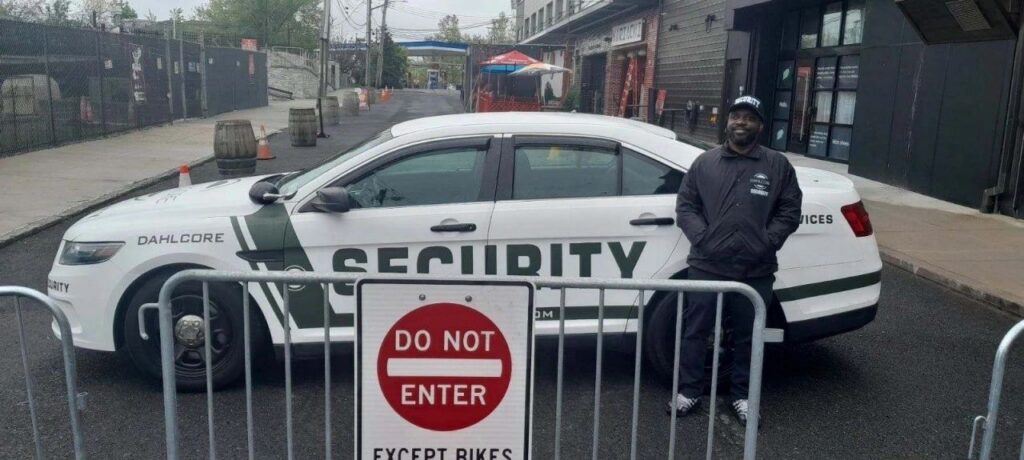
One of the most critical roles security guards play is ensuring that only invited guests enter the party. They work with event planners to verify guest lists and prevent unauthorized access. This is particularly important for private events that require a controlled environment.
Implementing ID Checks and Badge Systems
At high-profile events, security guards often use ID checks and badge systems to ensure that only verified individuals are granted entry. This helps prevent uninvited guests from slipping in and keeps the event secure.
Preventing Unauthorized Entry
Security guards monitor all entrances and exits, ensuring that unauthorized individuals do not enter the venue. They also secure potential weak points, such as backdoors or windows, that could be used for illegal entry.
Crowd Management
Ensuring Safe Guest Flow and Minimizing Congestion
Security guards play a key role in crowd management by ensuring the smooth flow of guests, especially in significant events where overcrowding can become a hazard. They help direct guests to designated areas, reducing congestion and potential conflicts.
Handling Disorderly Conduct and Conflicts
Private parties can sometimes lead to heated confrontations. Security guards are trained to de-escalate conflicts before they escalate, maintaining peace and order. If necessary, they are prepared to remove individuals causing disturbances.
Directing Emergency Evacuations
In the event of an emergency, such as a fire or security threat, security guards are responsible for ensuring the safe and orderly evacuation of all guests. Their training equips them to handle these situations efficiently, minimizing panic and confusion.
VIP Protection
Ensuring Safety and Privacy for High-Profile Guests
Many private parties host high-profile guests, such as celebrities, executives, or public figures. These individuals may require additional security measures to ensure their safety and privacy throughout the event. Security guards are tasked with preventing unauthorized access to VIPs, ensuring they can enjoy the event without disturbances or security risks.
Coordination with Personal Security Teams
In some cases, VIP guests arrive with their personal security teams. Security guards at the event must coordinate closely with these teams to ensure seamless protection. This involves sharing relevant security plans and strategies to avoid any conflicts or lapses in protection.
Surveillance and Monitoring
Using CCTV and Onsite Patrols
A robust surveillance system is a key component of event security. Security guards often monitor CCTV cameras, ensuring that they have eyes on all areas of the venue. This technology allows them to detect suspicious behavior or potential threats quickly. Onsite patrols complement this by providing a physical presence that can respond immediately to any incidents.
Detecting Suspicious Behavior
One of the most critical roles of security guards is to identify and intervene in situations before they escalate. Guards are trained to recognize suspicious behavior, such as loitering, unauthorized access attempts, or guests acting aggressively. By identifying these signs early, they can prevent incidents before they occur.
Preventing Theft and Vandalism
Private parties and huge events can attract opportunistic individuals looking to commit theft or vandalism. Security guards help mitigate this risk by patrolling the venue and monitoring high-value items such as personal belongings, equipment, or event decorations.
Emergency Response
Managing Medical Emergencies
In the event of a medical emergency, security guards are often the first responders. They are trained in basic first aid and CPR, enabling them to provide immediate assistance while waiting for medical professionals to arrive. Their quick action can be life-saving in critical situations.
Handling Fire and Evacuation Protocols
Fires and other emergencies require a calm and organized response. Security guards are responsible for ensuring that all guests are evacuated safely and according to the venue’s emergency plans. They also assist in directing fire personnel to the scene and coordinating efforts to contain the situation.
Coordinating with First Responders
When emergencies occur, security guards play a vital role in liaising with local first responders, such as paramedics, police, and fire departments. Their knowledge of the venue and the event’s layout allows them to guide these professionals quickly to the areas where they are needed most.
Conflict De-escalation
Identifying Potential Conflicts Early
A key skill of security guards is their ability to spot conflicts before they escalate. Whether it’s an argument between guests or a disagreement over event procedures, security guards are trained to identify the signs of brewing tension and intervene before the situation gets out of hand.
Utilizing Verbal and Non-Verbal De-Escalation Techniques
Security guards are experts in calming tense situations. They use a variety of de-escalation techniques, including calm verbal communication and non-threatening body language, to defuse potential altercations. The goal is always to resolve conflicts peacefully without the need for force or further intervention.
Maintaining a Safe Environment
Ensuring Compliance with Local Regulations and Safety Standards
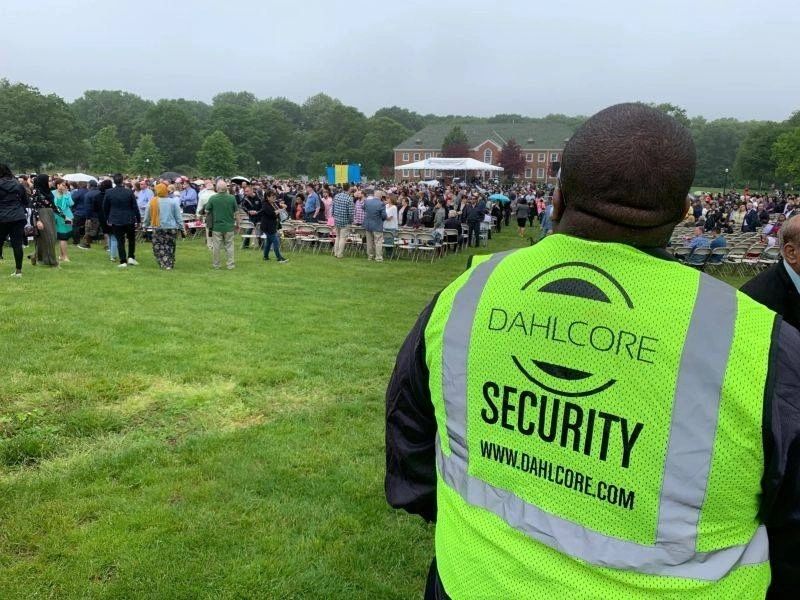
Event security isn’t just about managing people; it’s also about ensuring that the venue complies with local safety regulations. Security guards are trained to spot hazards such as blocked fire exits, overcrowded areas, or unsafe conditions that could lead to accidents or legal liabilities.
Preventing Substance Abuse and Related Incidents
Substance abuse is a potential risk at many private parties, mainly where alcohol is served. Security guards are vigilant in monitoring guests for signs of intoxication or drug use that could lead to unsafe behavior. In such cases, they intervene to prevent harm to the individual or others.
Mobile Patrols
Patrolling Event Perimeters and Sensitive Areas
Mobile patrols are an essential part of a security team’s strategy for keeping an event safe. These guards move around the venue, particularly along its perimeter and in sensitive areas like backstage or equipment rooms, to deter trespassing and unauthorized access.
Preventing Intrusions and Securing Parking Areas
In addition to securing the main venue, security guards often patrol parking areas to prevent theft, vandalism, or unauthorized parking. This ensures that guests feel safe when arriving or leaving the event and that their vehicles are protected.
Post-Event Security
Safely Managing Guest Departures
As the event winds down, security guards help manage the flow of guests leaving the venue. This is a crucial time for security, as intoxicated or tired guests can sometimes cause disturbances. Security guards ensure that everyone exits the venue safely and in an orderly manner.
Securing Venue Post-Event
Once the party is over, security guards remain on site to ensure that the venue is properly secured. This includes locking all entrances and exits, safely storing valuable equipment, and ensuring that no one lingers in restricted areas. Their presence helps prevent theft or damage after the event.
Legal and Ethical Responsibilities
Understanding Legal Liabilities of Security at Private Parties
Security guards must be aware of the legal implications of their actions during a private event. They are trained to understand the boundaries of their authority and the legal standards they must adhere to, such as the appropriate use of force, the handling of evidence, and the protection of individual rights.
Adhering to Ethical Guidelines
In addition to legal responsibilities, security guards must follow strict ethical guidelines. They are expected to treat all guests with respect and impartiality, avoiding favoritism or abuse of authority. This professionalism is critical to maintaining the trust and safety of everyone at the event.

Technology in Security
Leveraging Security Software for Better Planning and Execution
Modern security teams often rely on technology to enhance their effectiveness. Security software allows guards to track incidents, manage guest lists, and coordinate with other team members in real-time. This streamlines operations and ensures that potential risks are addressed swiftly.
Using Wearable Technology for Better Coordination
Wearable devices, such as two-way radios and body cameras, allow security guards to stay connected and respond to incidents more efficiently. These tools help them coordinate with other team members, providing real-time updates that can be critical in dynamic situations.
FAQs: Essential Roles of Security Guards at Private Parties
Why is it essential to have security guards at private parties?
Security guards ensure the safety of guests and property by managing risks, preventing unauthorized access, and handling emergencies. Their presence helps maintain order and provides peace of mind to the host.
How do security guards manage crowd control at private events?
They direct guest flow, minimize congestion, and address any disorderly behavior to ensure a safe environment. In case of emergencies, they lead evacuations and manage the situation effectively.
Can security guards handle medical emergencies at private parties?
Yes, many security guards are trained in basic first aid and CPR. They can provide immediate assistance until professional medical help arrives.
What is the role of security guards in VIP protection?
Security guards ensure the privacy and safety of high-profile guests by preventing unauthorized access and coordinating with personal security teams. They are discreet and effective in protecting VIPs.
How do security guards prevent unauthorized access at private events?
They manage guest lists, check IDs, and monitor all entry points. Enforcing these measures will prevent uninvited individuals from entering the venue.
Are security guards responsible for post-event security?
Yes, security guards ensure that all guests leave safely and that the venue is secured after the event. They also protect any valuable equipment or property from theft or damage.
Conclusion
Recap of Key Roles Security Guards Play at Private Events
The role of security guards at private parties extends far beyond simply standing at the door. They are involved in every aspect of the event’s safety, from pre-event planning to post-event clean-up. Their expertise ensures that guests can enjoy the event in a secure environment, free from the threat of harm or disruption.
Final Thoughts on the Importance of Professional Security Services at Private Events
The presence of professional security guards is essential for any private event. Their ability to assess risks, manage crowds, and respond to emergencies ensures that the event runs smoothly and safely. By hiring trained security professionals, hosts can focus on enjoying their event, knowing that their guests and property are in good hands.
Check other blogs
Corporate Event Security: Ensuring Safety and Success
Concealed Weapons Permit Classes
How to Choose the Right Access Control System for Organization
Insights for Navigating Employee Termination Security New York
