

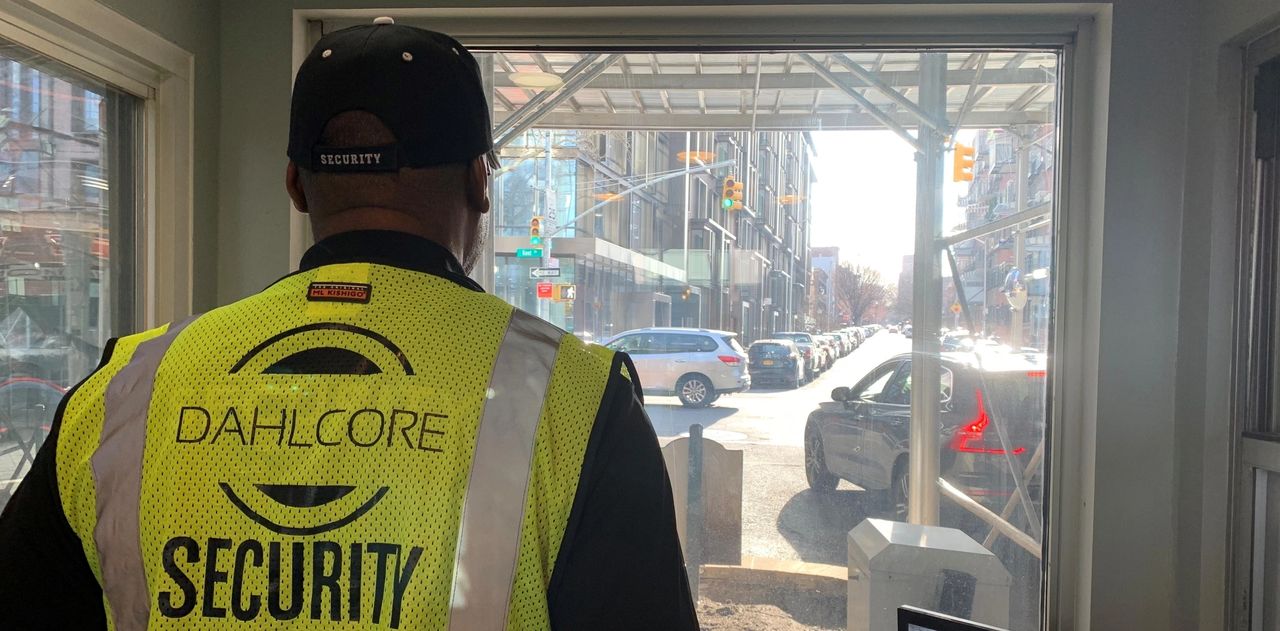
Security guards monitor and patrol areas to prevent and respond to security threats, ensuring the safety of individuals and assets. They conduct routine inspections, check security systems, control building access, and handle incidents like theft, vandalism, or medical emergencies. In addition to their physical presence, security guards often collaborate with law enforcement and emergency services when necessary. This article delves into these daily responsibilities, highlighting the essential role security guards play in maintaining a secure environment.
The Role of a Security Guard
A security guard’s main objective is to protect the property and individuals they are assigned to safeguard. This responsibility encompasses a broad spectrum of activities, from maintaining a visible presence to deter crime to actively responding to security breaches. Depending on their assignment, security guards may be stationed at entrances, patrol the premises, or even monitor security cameras. Each task helps prevent theft, vandalism, and other unlawful activities, ensuring that the area remains safe and secure.
What is the main purpose of security?
The main purpose of security is to protect people, property, and information from various threats. This involves ensuring the safety of individuals and preventing unauthorized access, theft, or damage to assets. Security measures are crucial in maintaining the functionality and integrity of systems and structures, providing a safe and secure environment for operations to proceed unhindered. Additionally, security helps to deter criminal activity by presenting barriers and monitoring systems that make committing crimes less appealing or more difficult.
Typical Day of a Security Guard
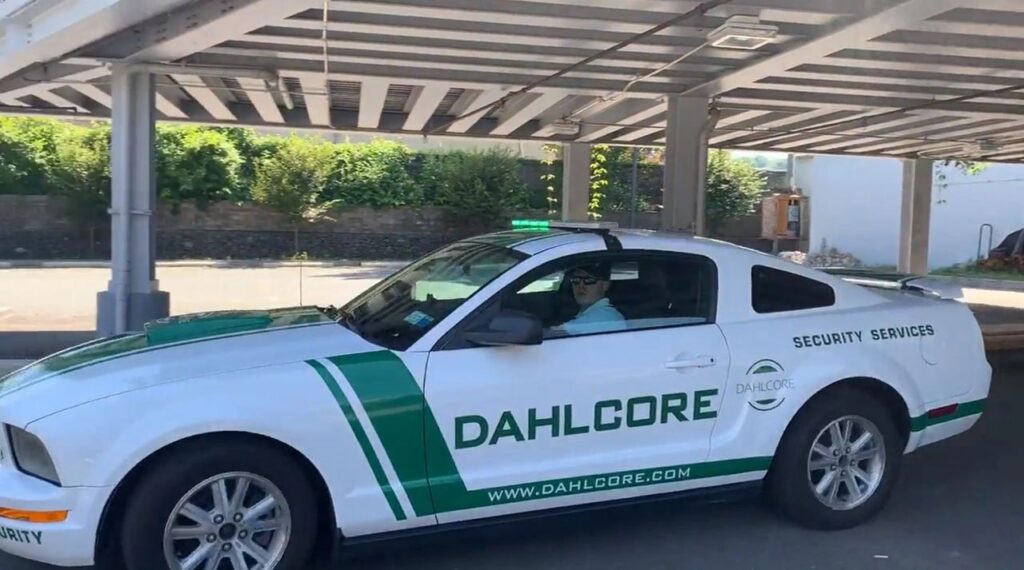
A typical day for a security guard involves a mix of routine tasks, vigilance, and quick decision-making to ensure the safety and security of people and property. The day usually starts with a briefing, where they are informed of any incidents from previous shifts or new security concerns. Security guards then conduct routine inspections and patrols, either on foot or using vehicles, depending on the location they are securing.
Throughout their shift, security guards monitor surveillance cameras, check entry points, and ensure that no unauthorized individuals access restricted areas. They may also be required to check employee or visitor badges and conduct bag or vehicle searches.
Some common daily tasks include:
- Patrolling: Walking or driving around a specific area to detect suspicious activity.
- Monitoring: Observing security cameras, alarms, and control panels.
- Access Control: Managing entry and exit points, including checking IDs and logging visitors.
- Emergency Response: Acting quickly in emergencies such as fires, break-ins, or medical incidents.
- Report Writing: Keeping detailed records of incidents, observations, and any unusual activities encountered during their shift.
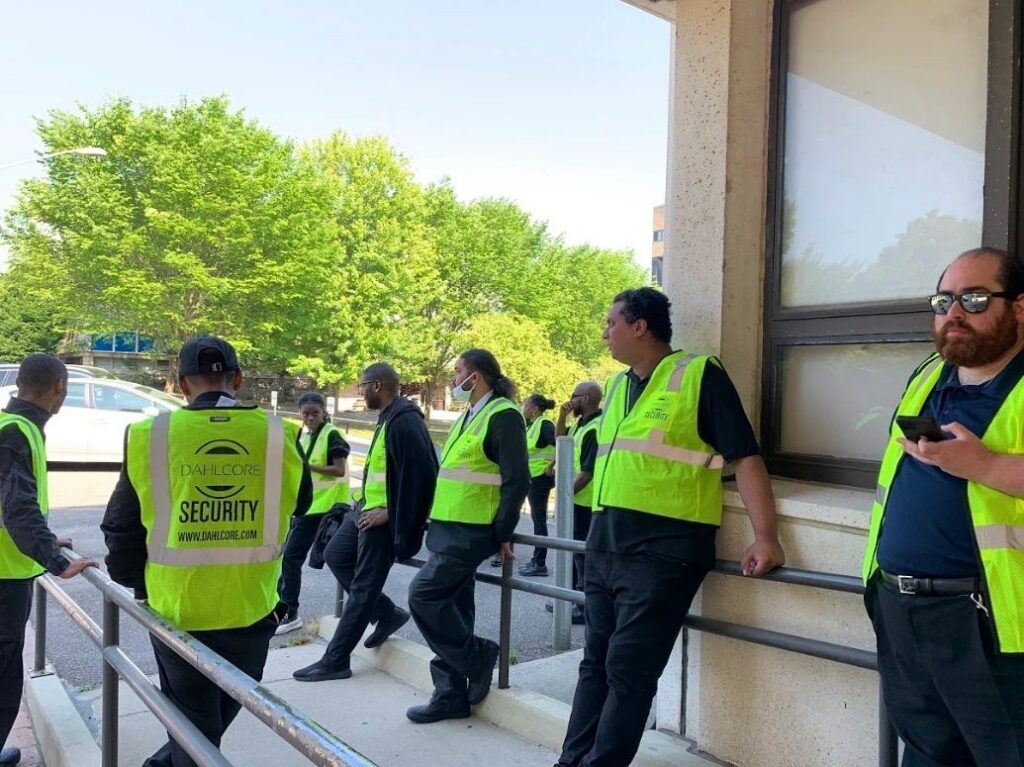
Additionally, security guards often work closely with law enforcement and emergency responders, assisting when needed. They also ensure that safety protocols are followed and may guide employees or visitors in case of evacuations.
Other Responsibilities of a Security Guard
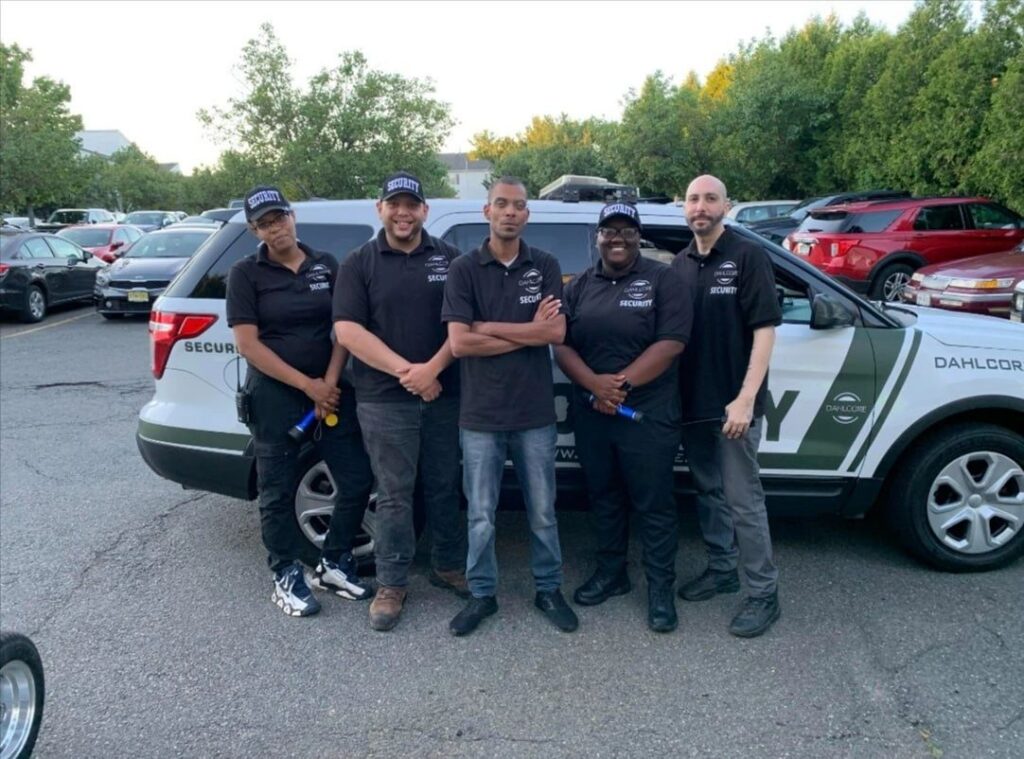
In addition to their primary task of protecting property and ensuring safety, security guards often take on a variety of other responsibilities. These additional duties depend on the specific location and type of security required but usually extend beyond simple patrolling.
Some of these responsibilities include:
- Customer Service: Security guards are often the first point of contact for visitors and employees. They provide directions, answer questions, and sometimes assist people with their needs.
- Crowd Management: During large events, such as concerts or public gatherings, security guards help manage crowds to prevent overcrowding or disruptive behavior.
- First Aid: In many cases, security guards are trained in basic first aid and CPR. They may be required to assist in medical emergencies until professional medical help arrives.
- Enforcing Rules and Regulations: Ensuring that company policies or public regulations are followed, whether it’s no-smoking areas, curfews, or proper employee conduct.
- Escort Duties: Security guards may escort employees or visitors, particularly in sensitive areas or when someone feels unsafe.
- Surveillance: In addition to monitoring CCTV cameras, security guards often rely on their instincts and observation skills to identify suspicious behavior or security risks.
- Equipment Checks: In some cases, security guards are tasked with inspecting fire alarms, emergency lights, or other safety equipment to ensure they are functioning correctly.
These added responsibilities highlight the multifaceted role of security guards in maintaining safety and order in their assigned areas.
Security Guard Shift Schedule
Security guards typically work on a shift-based schedule that provides 24/7 coverage. Their shifts can vary widely, depending on the needs of the facility or company they are protecting. In general, there are three common types of shifts security guards might work:
- Day Shifts: This shift typically covers standard business hours, usually from 8 a.m. to 4 p.m. or 9 a.m. to 5 p.m. Security guards on day shifts often manage visitors, monitor employees, and assist in regular facility activities.
- Evening Shifts: Evening shifts usually run from 4 p.m. to midnight. Security guards working these hours monitor end-of-day employee exits, secure the building, and increase vigilance as night approaches.
- Night Shifts: This shift, often referred to as the graveyard shift, runs from midnight to 8 a.m. It requires heightened alertness because criminal activity tends to occur during these hours, and fewer people are present on-site.
In addition to these standard shifts, security guards may also be required to work rotating shifts, weekend schedules, and holidays. Overtime is common in the security industry, especially during emergencies or when additional security personnel are needed.
Flexibility is key for security guards, as they may need to adjust their schedules depending on incidents or staffing shortages.
What are the 5 basic functions of a security guard?
- Deterrence: Security guards act as a visual deterrent to crime. Their presence alone can prevent potential offenders from attempting criminal activities.
- Detection: They are trained to detect unusual or suspicious behavior. This includes monitoring for signs of crime, fire, or disorder; recognizing potential safety issues; and identifying visitors and vehicles.
- Observation and Reporting: Security guards observe and document incidents that occur on the property. They maintain logs, prepare reports, and provide information to law enforcement in the event of a crime or emergency.
- Response to Emergencies: They respond to various emergencies, including medical issues, fires, or breaches of security. This includes administering first aid, using fire extinguishers, or directing people to safety.
- Enforcement of Laws and Policies: Guards enforce property rules and regulations, ensuring that all personnel and visitors adhere to established policies. This can involve managing access to buildings, handling trespassers, or coordinating with law enforcement when necessary.
Security Guard Qualifications and Training
Becoming a security guard requires specialized training that prepares individuals for various scenarios they may encounter on the job. This training typically includes essential skills such as basic first aid, which ensures guards can respond effectively to medical emergencies, and crowd control techniques to manage large groups safely and efficiently.
Additionally, a solid understanding of relevant legal knowledge is crucial for guards to perform their duties within the law and uphold individuals’ rights. In many regions, aspiring security guards must also pass thorough background checks and obtain a license or certification to ensure they meet industry standards and maintain public trust.
Challenges Faced by Security Guards
Security guards face various challenges on a daily basis, requiring them to be constantly vigilant and adaptable. These challenges can include handling aggressive individuals, de-escalating tense situations, and managing difficult interactions with the public. Long shifts can lead to fatigue, making it crucial for guards to maintain focus and alertness throughout their duties. Additionally, they must be prepared to respond to emergencies or unexpected situations, which necessitates quick thinking, sound judgment, and effective decision-making, all while staying committed to ensuring the safety of the premises they protect.
What tasks do you do as a security guard?
As a security guard, I perform several tasks aimed at ensuring the safety and security of the premises and its occupants. These include:
- Conducting regular patrols of the property to check for any irregularities or unauthorized activities.
- Monitoring surveillance equipment and inspecting buildings, equipment, and access points.
- Controlling entry and exit of individuals to prevent unauthorized access.
- Reporting any suspicious activities or security breaches immediately.
- Maintaining a detailed log of all observations and incidents that occur during the shift.
- Providing information and assistance to visitors and employees on the premises.
What is the job role of security?
The job role of a security guard encompasses several responsibilities centered around the protection and safety of property and people. This role involves:
- Patrolling the premises regularly to prevent and detect signs of intrusion and ensure the security of doors, windows, and gates.
- Monitoring surveillance cameras and alarm systems to identify disruptions or unlawful acts.
- Investigating disturbances and maintaining public order within the premises.
- Enforcing property rules and regulations to maintain the desired level of security.
- Coordinating with law enforcement and other emergency services during incidents.
- Providing a visible presence that deters safety threats and reassures lawful occupants.
Trusted Resources on Security Practices
Security guards rely on well-established guidelines and resources to ensure the safety and security of the areas they protect. Two valuable resources for understanding security protocols and emergency management are Ready.gov and the U.S. Department of Labor:
- Ready.gov – This site provides comprehensive information on emergency preparedness, including steps to handle disasters, security threats, and crisis management. Security guards can utilize these resources to stay prepared for various emergency scenarios. Learn more at Ready.gov.
- U.S. Department of Labor – This site offers detailed information on the training and qualifications required for security guards, workplace safety standards, and employment regulations. It is an essential resource for security personnel and employers to ensure compliance and safety. Visit the U.S. Department of Labor website.
By incorporating insights from these authoritative sources, security guards can enhance their knowledge and practices, contributing to a safer and more secure environment.
FAQs
What are the primary duties of a security guard?
The primary duties include patrolling, monitoring security cameras, controlling access points, reporting incidents, and responding to emergencies.
How do security guards handle emergencies?
Security guards follow specific protocols for different types of emergencies, such as evacuating people during a fire or providing first aid during medical crises. They remain calm and coordinate with emergency services.
What skills are essential for a security guard?
Good communication, conflict resolution, physical fitness, and attention to detail are crucial skills. Security guards also need to be observant and able to think quickly during emergencies.
Do security guards always carry weapons?
Not all security guards carry weapons. This depends on the level of security required in the area they are working. Some guards may only carry non-lethal tools, such as batons or pepper spray.
Are security guards responsible for writing reports?
Yes, documenting incidents is a vital part of the job. Accurate reports help law enforcement and management handle situations more effectively.
What is the difference between a day shift and a night shift security guard?
Day shift security guards often interact more with the public and perform visible patrols. In contrast, night shift guards focus more on monitoring the premises and ensuring the area is secure after hours.
Conclusion
Security guards play a vital role in maintaining safety across a wide range of environments, including corporate offices, retail spaces, and public events. Their responsibilities extend beyond mere observation; they conduct regular patrols, manage access control, and ensure that safety protocols are followed. In emergency situations, security guards must respond swiftly and effectively, often serving as the first line of defense while coordinating with law enforcement and emergency services. By employing vigilance, quick decision-making, and strong communication skills, security guards not only protect assets and property but also foster a sense of security and confidence among employees, customers, and the community.
Check other blogs
Ensuring the Safety of Your Celebration: Party Security Guards
Security Guards’ Impact on Modern Loss Prevention: Case Studies
Best Fire Protection Services in New York: Safety and Compliance
